Wasabi’s 8 Healing Benefits! 🌱 Vegan Sushi Balls

Vegan Sushi Balls

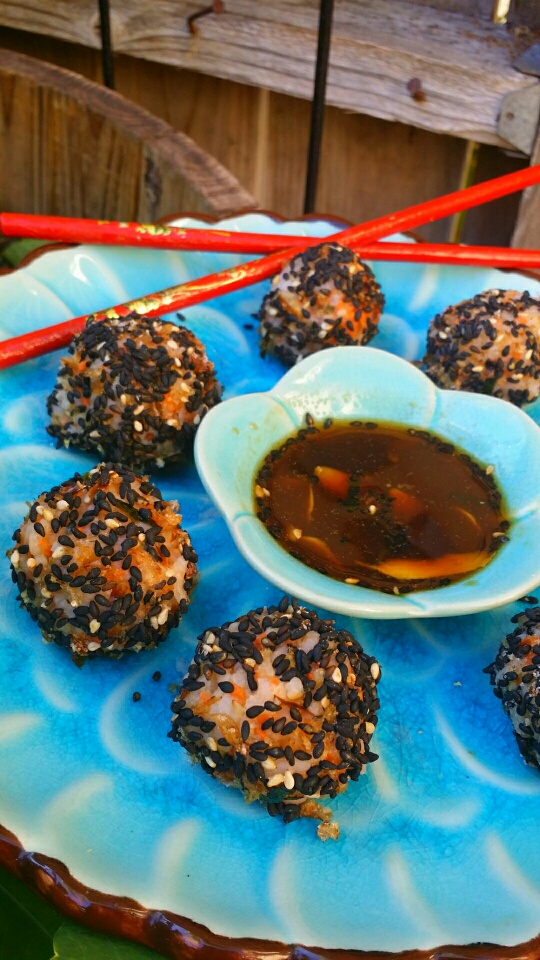
Vegan Sushi Balls & Wasabi Sauce

Wasabi… What is it?!?  You know that green mushy guacamole like stuff you have probably seen in Japanese Restaurants.  Only thing is, it tastes nothing like Guacamole!

I moved from a small town in Texas to California when I was 17 years old, I had never been to a Japanese restaurant, let alone heard of Wasabi.  When I was served wasabi and ginger for the first time, this small town girl  assumed it was Guacamole and put the entire wasabi ball in her mouth, yes, me… I did that!

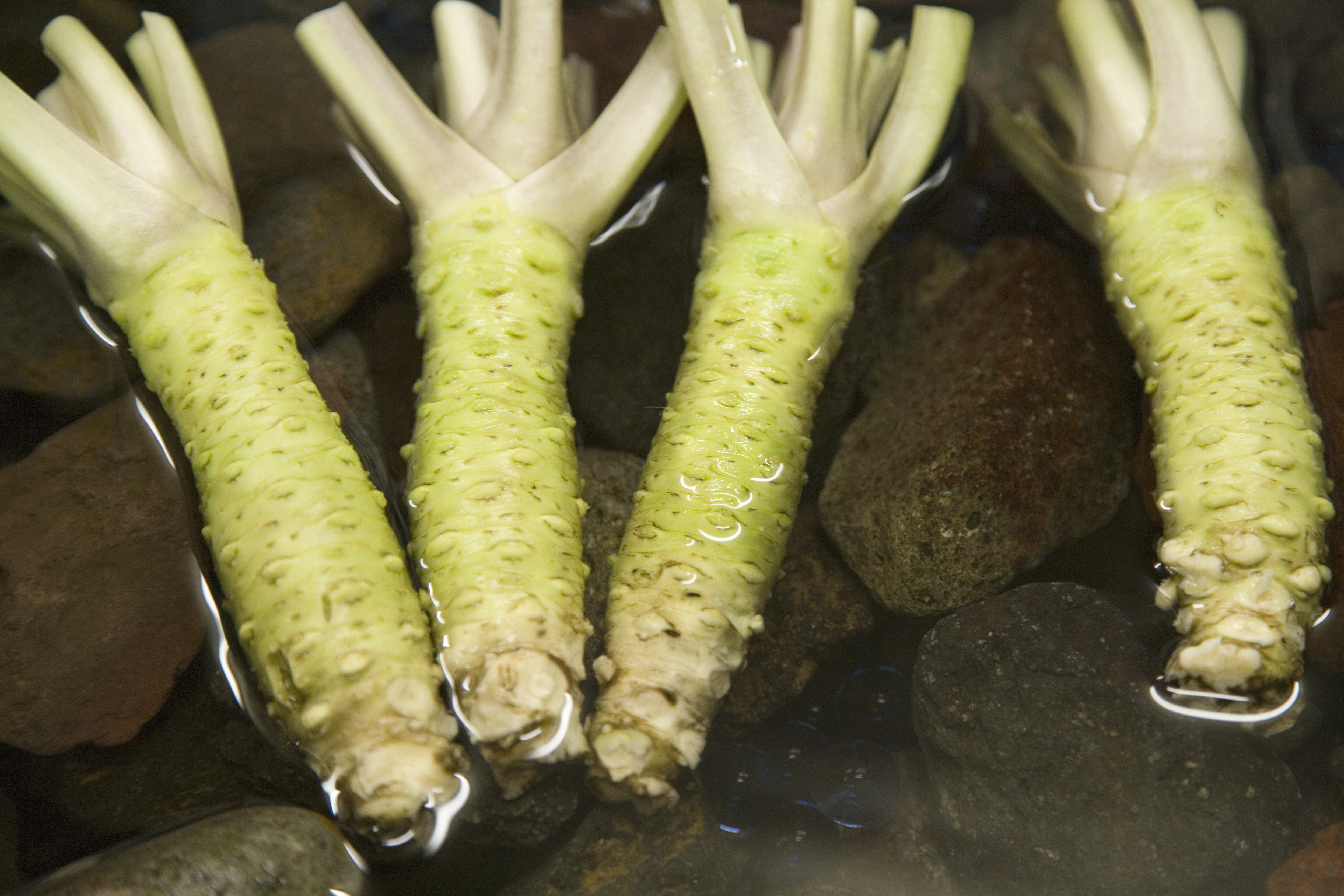
Real Wasabi

Real Wasabi

I literally thought I was going to die! I couldn’t breath, I couldn’t think, I couldn’t speak, I was in so much pain… all the while, a restaurant full of people were all really really laughing at me and I still had no idea what was happening!  It was a great way to learn not to assume anything about anything- especially food!

So seriously… what is Wasabi?!? Does it really have healing properties?
ワサビ

Wasabi is a perennial herb plant and is a member of the Cruciferae or Brassicaceae family along with cabbages, horseradish, and mustard. The root of the Wasabi is often used as a condiment and has a very strong taste and aroma. The two types of Wasabi include Wasabi Daruma and Wasabi Mazuma.  Wasabi has decent amounts of Dietary Fiber, Vitamin B6, Vitamin C, Calcium, Potassium and Magnesium.

Although Wasabi is often known as a condiment in Japanese restaurants, there are some other great reasons to eat Wasabi.  Now, when I say Wasabi is healthy, I don’t mean the processed kind you find in most restaurants, snacks, junk food, I mean the actual fresh Wasabi Plant (Wasabia japonica or Eutrema japonica).

The Wasabi most people have eaten may have gluten, is a mix of horse radish, a little mustard paste and green food coloring.  Real plant Wasabi tastes like an herb, is pungent, but doesn’t sting like the horse radish. It is easier to eat and is actually a very powerful healing agent.  Genuine fresh Wasabi is rarely found in the United States or Canada.

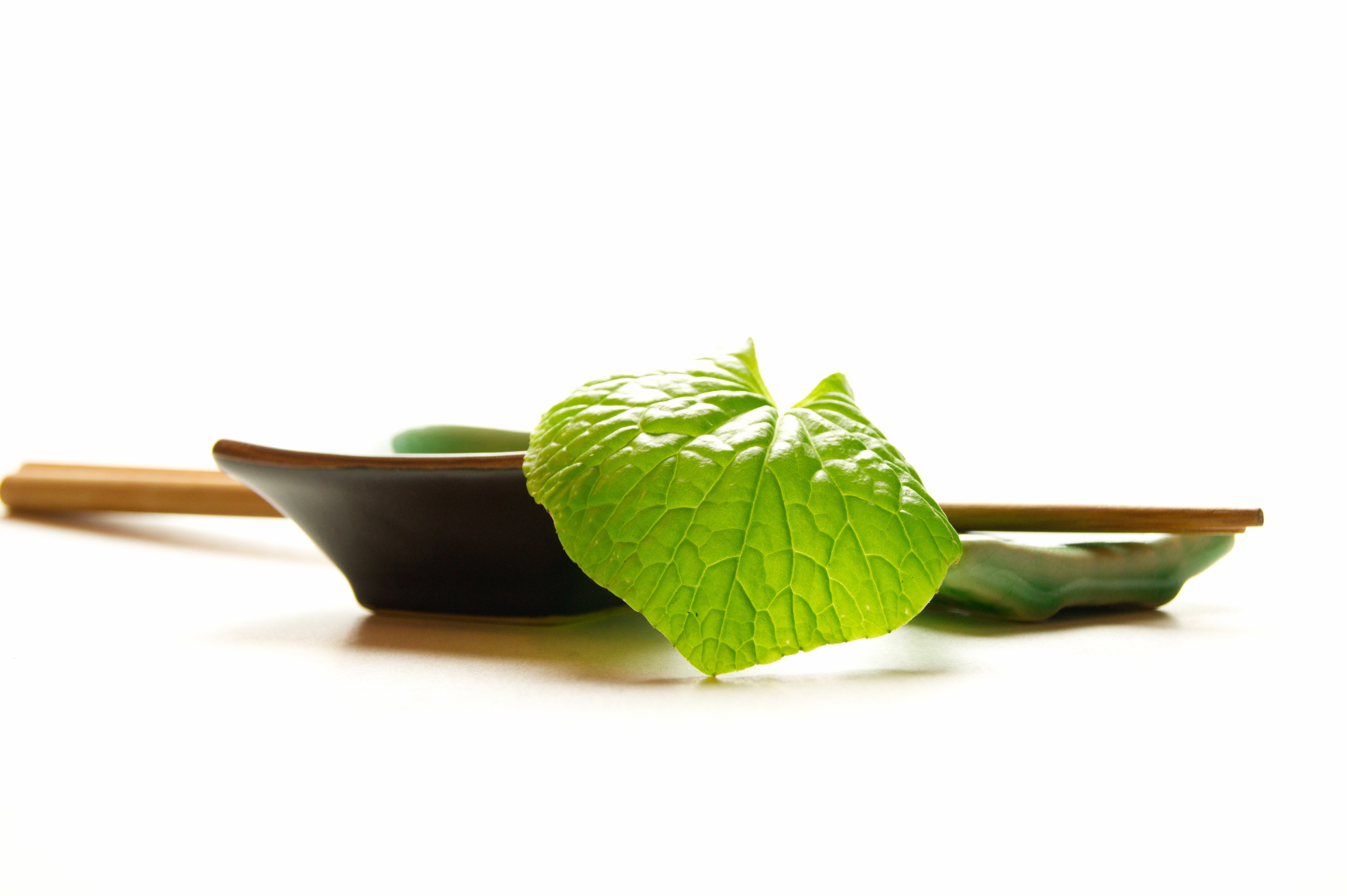
葉わさび

8 Top Healing Benefits of Wasabi:

  1. Anti-microbial:  Fights many forms of bacteria, yeast and mold. [8}
  2. Anti-bacterial:  Found effective in fighting E. Coli, Staphylococcus & H-Pylori. [6]
  3. Detoxifier: helps the liver to get rid of toxins & carcinogens. [7]
  4. Anti-inflammatory: may reduce arthritis, joint pain, asthma & Irritable Bowel Disease.
  5. Anti-Cancer Properties: may assist the liver in neutralizing toxins & cancer cells. [3] [4]
  6. Protects Heart: may reduce heart attack/stroke by preventing blood clots. [Dr. James Duke]
  7. Improves Digestion: may help the intestinal tract get rid of toxins & is rich in fibers. [1] [6]
  8. Fights Cavities:  The leaves help kill Streptococcus Bacteria in your mouth. [Matsuda, 2004]
asia

My favorite healing property about Wasabi is its possible effectiveness at fighting H-Pylori.  According to a 2004 PubMed article by Shin, Masuda and Naohide, the AIT and other components in wasabi roots, stems and leaves were able to show bactericidal activities against H-pylori strain NCTC 11637, YS 27 and YS 50.  If Wasabi can fight H-Pylori, imagine how powerful it is?!?

All these studies were conducted in a laboratory, as are the majority of studies, but Wasabi has been used as a medicinal herb for thousands of years, and there are many people who attest to its healing properties.

Real Wasabi is very expensive to buy and find because it is very rare to find fresh Wasabi, and it can also be difficult to grow Wasabi.  Wasabi is naturally found in the mountainous wet riverbed climate of Japan and does not need a ton of sunshine, but nonetheless is a stubborn plant to grow and takes about two to three years to be ready for harvesting.

わさび田と渓流If you want to grow Wasabi, you most likely will need a water tower or aquatic system. The state of North Carolina, Oregon, the province of British Columbia, and the Countries of New Zealand, Taiwan and Korea have been the only other places besides Japan to really take on the difficulty of successfully growing large quantities of Wasabi.

If you are looking for ammunition in your natural healing arsenal, Wasabi is a standup Super Plant! If you can get your hands on some fresh Wasabi, please send me some… half kidding! 🙂

You can make fresh Wasabi by cutting the root, peeling the skin off and finely grating the green flesh to get a creamy like texture.

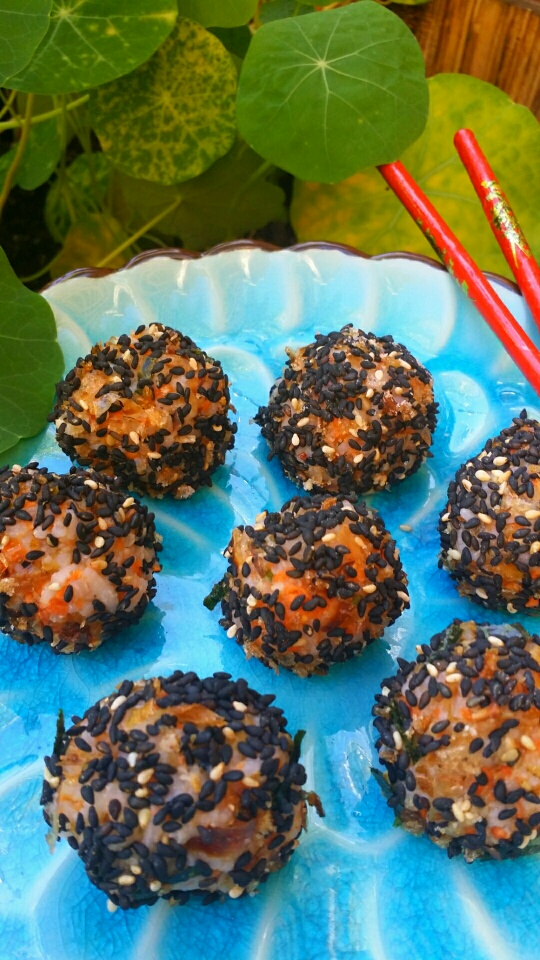
These Vegan Sushi Balls and Wasabi Dipping Sauce are so Yummy Yummy, you won’t eat just one, so here is a recipe for 17!

Vegan Sushi Balls

Vegan Sushi Balls

Ingredients for Vegan/Gluten Free Sushi Balls:

  1. 2 Cups of White Rice (short grain works best). I use GF Jasmine Rice.
  2. 3 Tablespoons of of Rice Vinegar
  3. 4 Tablespoons of Coconut Liquid Aminos (or Braggs or Soy Sauce)
  4. 2 Tablespoons of Sugar (I use Coconut Sugar)
  5. 1 1/2 teaspoons of Sea Salt
  6. 1/4 Cup Chopped Sea Vegetables
  7. 2 carrots (chopped)
  8. 5 Scallions (chopped Green part)
  9. 1/4 cup hulled Black or White Sesame Seeds (I mix both)
  10. 1 Garlic Clove
  11. 1 Inch of Fresh Ginger (peeled & sliced)

Instructions for Sushi Balls:

  1. Cook 2 Cups of Rice according to package instructions
  2. While Rice is cooking, Combine the Liquid Aminos (Soy Sauce), Rice Vinegar, Sugar, Sea Salt, Carrots, Scallions, Garlic, Ginger in a Food Processor/Blender until well minced.
  3. Transfer the mixture to a large Glass Bowl or a bowl that is not plastic.
  4. Place the Sesame seeds on a large flat plate and spread them out.
  5. When the Rice is done, combine Rice & Mixture and fold it all in with a wooden spoon.
  6. I tightly cover my Rice Mixture and let it sit for at least 2 hours.
  7. After the rice is cool & sticky, make little rice balls & roll each one in the sesame seeds.
  8. Put them on a baking sheet with was paper and refrigerate them for up to 2 days!

Wasabi Dipping Sauce Ingredients:

  1. 1 Tablespoon of Wasabi Powder (unless you can get fresh)
  2. 1/4 Cup of Spring Water
  3. 1 Large Garlic Clove
  4. 1 inch Fresh Ginger, peeled & thinly sliced
  5. 2 Tablespoons of Coconut Oil (room temp)
  6. 1 teaspoon of Coconut Sugar (or sugar of choice)
  7. 5 Tablespoons of Coconut Aminos (or Braggs Aminos, or Soy Sauce)
  8. 1 Tablespoons of Rice Vinegar
Wasabi Dipping Sauce

Wasabi Dipping Sauce

Instructions for Wasabi Dipping Sauce

Save a couple of strips of the Ginger on the side.  Place the rest of the above ingredients in a food processor or blender and pulse until all the ingredients are very fine. Taste to see if you like to add more soy sauce/aminos or Wasabi… I always do 😉  put the Wasabi Sauce in a little dish and sprinkle some little Ginger slices on top!

Mmmm Yummy Yummy Baby! Stay healthy & happy, Dr. Dee 😉
sushi balls pic 1

[1] Suppressive effect of wasabi (pungent Japanese spice) on gastric carcinogenesis induced by MNNG in rats. Nutr Cancer. 1991;16(1):53-8.
[2] Dynamics of Nrf2 and Keap1 in ARE-mediated NQO1 expression by wasabi 6-(methylsulfinyl)hexyl isothiocyanate. J Agric Food Chem. 2011 Nov 23;59(22):11975-82.
[3] Selective sensitivity to wasabi-derived 6-(methylsulfinyl)hexyl isothiocyanate of human breast cancer and melanoma cell lines studied in vitro. Cancer Detect Prev. 2005;29(2):155-60.
[4] Tumor cell proliferation and cyclooxygenase inhibitory constituents in horseradish (Armoracia rusticana) and Wasabi (Wasabia japonica). J Agric Food Chem. 2005 Mar 9;53(5):1440-4.
[5] Colon cancer proliferating desulfosinigrin in wasabi (Wasabia japonica). Nutr Cancer. 2004;48(2):207-13.
[6] Bactericidal activity of wasabi (Wasabia japonica) against Helicobacter pylori. Int J Food Microbiol. 2004 Aug 1;94(3):255-61.[7] Anti-influenza virus activity of extract of Japanese wasabi leaves discarded in summer. J Sci Food Agric. 2008;88:1704–1708.

[8] Suppressive effect of hot water extract of wasabi (Wasabia japonica Matsum.) leaves on the differentiation of 3T3-L1 preadipocytes. Food Chem. 2010;118:239–244.


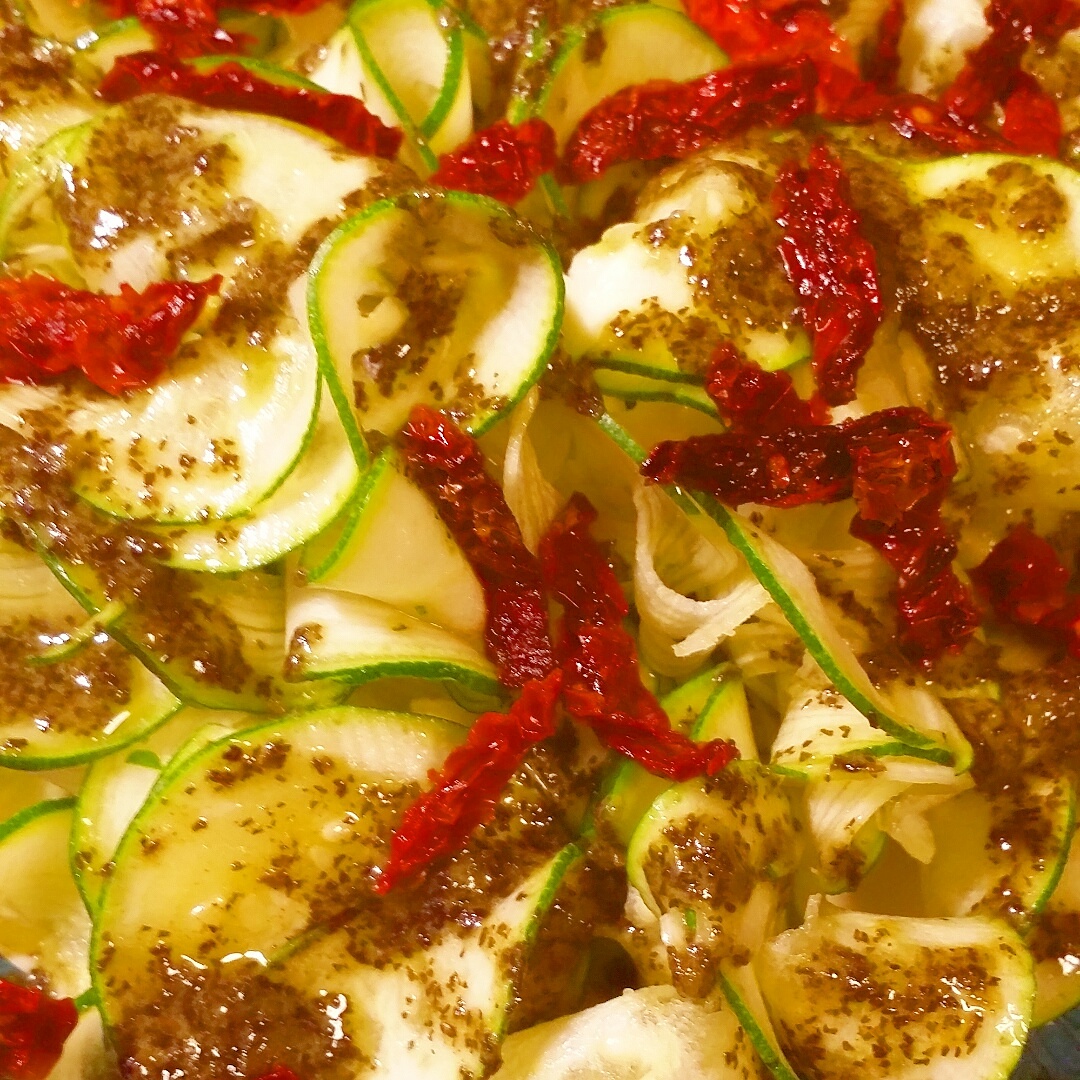
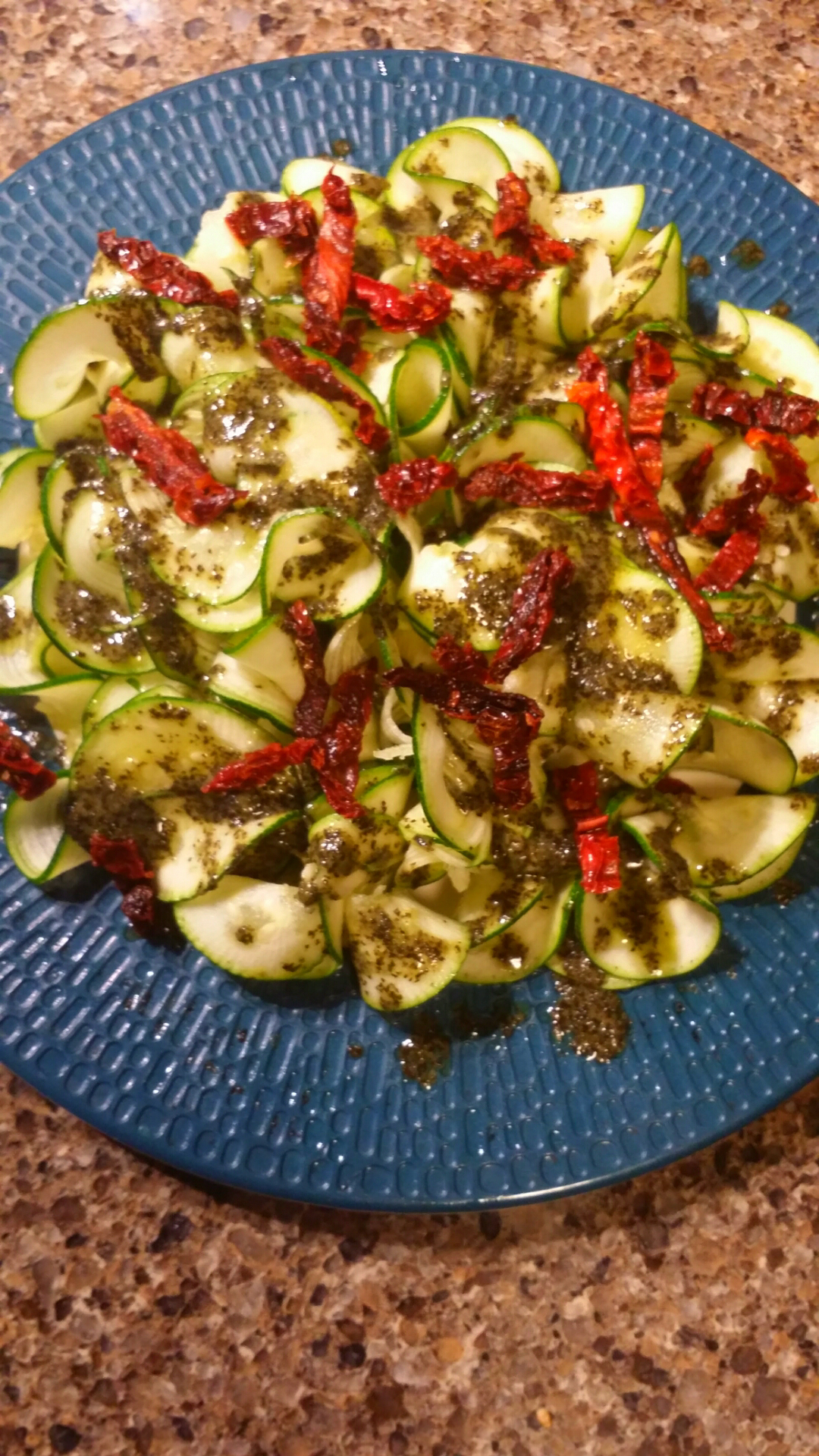
Vegan Zoodles, Pesto & Sun Dried Tomatoes

image

Have you had one of those days when you just throw something together and it turns out so Yummy & Deelicious?!?

Well this Raw Zoodle Dish is definitely a crowd and tummy pleaser!

Easy + Yummy + Guilt free = Winner!

First buy some sort of Noodle maker…  They are all only about $20 dollars. I suggest the Spiralizer over other brands (research & personal experience)…

Either that, or use a ceramic peeler to create shavings. The texture is much better with the spiralizer… but anything works!

Homemade Zoodle Pesto:

1 bunch of Basil or Cilantro;
1/3 cup of pine nuts;
2/3 cup of Raw Coconut Oil;
5 cloves of Garlic;
Sea Salt to taste;
Pepper to taste;

Place all ingredients in a food processor or high speed blender until you have the  consistency you desire!

Toss & drizzle Pesto on top of Zoodles, thrown on some Sun dried Tomatoes and Voila!

You are going to be licking your plate!!! It’s so Yummy Yummy Baby! 😋😋😋.

image

Stay Healthy & Happy ~ Dr. Dee

Dr. Dee


Edible Plants & Fruits that Help You Survive The Wild

Pocahontas had to learn how to collect wild edible plants along with planting and harvesting vegetable crops, in order to be considered an adult woman. As a result, she would need to identify the various kinds of useful plants, fruits and vegetables, and have the ability to recognize them in all seasons. Pocahontas learned these survival skills by age of 13.

Pocahontas also helped ease starvation and illness among Jamestown Colonists by teaching them how and what foods to eat. By my accounts, that makes Pocahontas America’s first Nutritionist.

guava and passion fruit

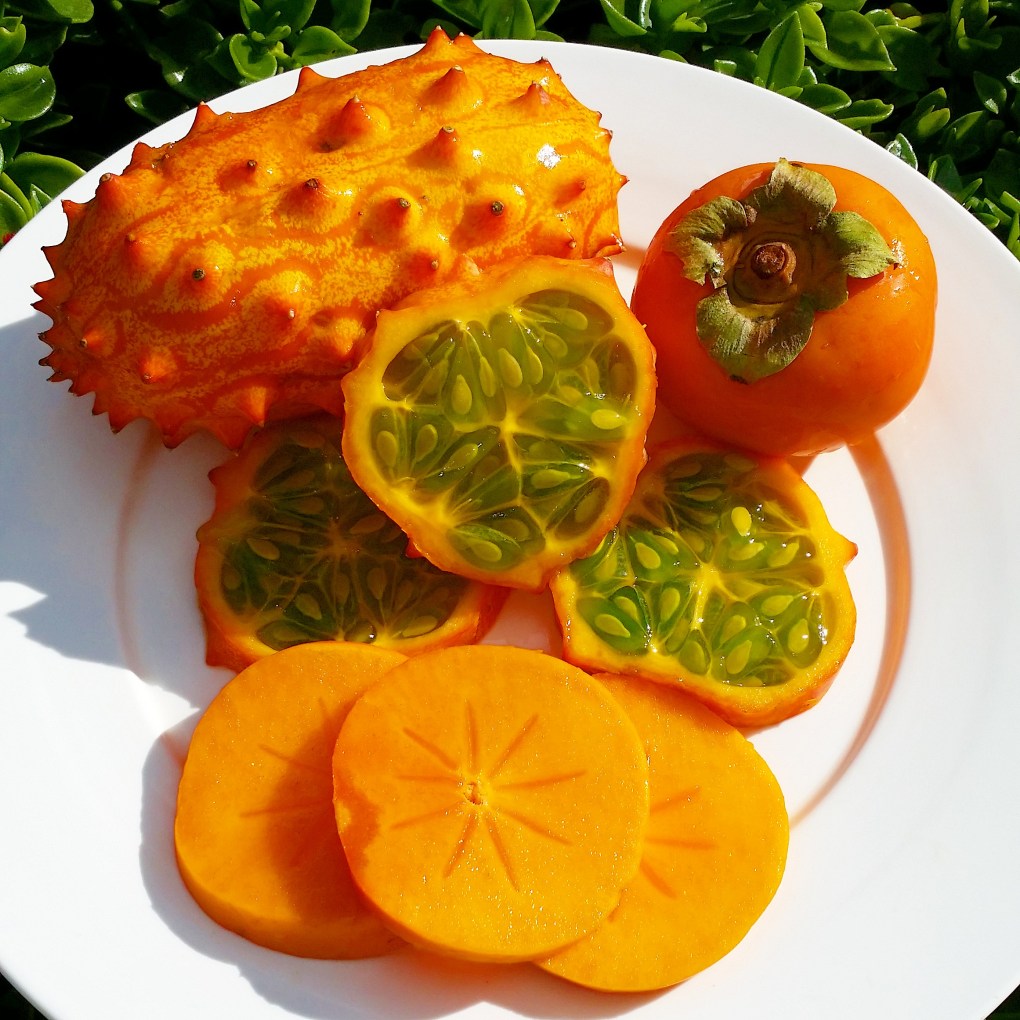
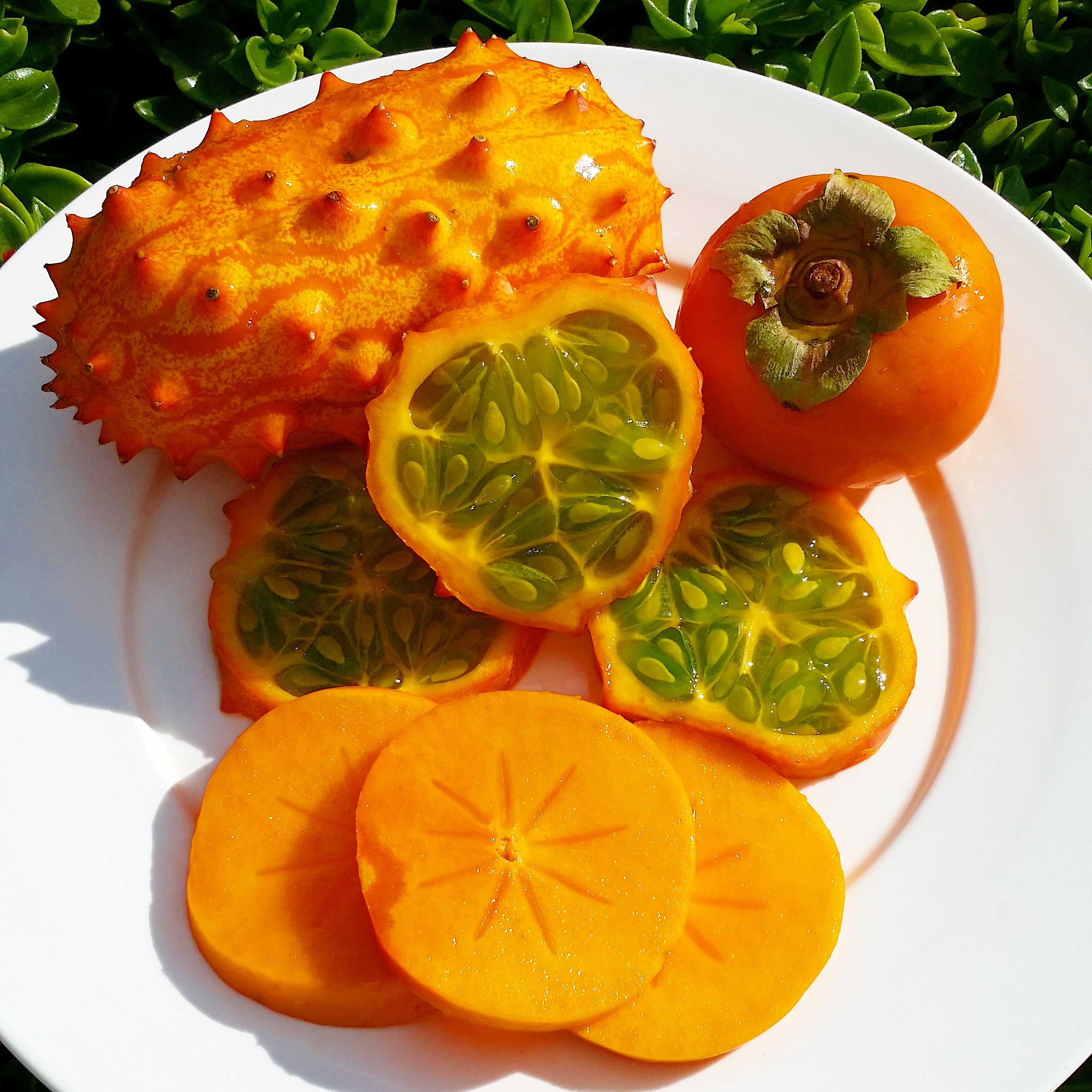
Passion Fruit, Persimmon, Guava, Horned Melon

If you were in the wild, would you know some of the edible wild plants and fruits?  Some of the foods Pocahontas ate are the Virginia peas, Corn, Pumpkins, Crooked neck Squash, Putchamins (Persimmon), Paw Paw fruit, and Gamma Rays (spider wort).

While on a hike in Kauai, I quickly learned that I was far from Pocahontas material and had to learn more about wild plants and survival foods. My hiking partner and I took a wrong turn, got lost and had to spend the night in the pouring rain in a remote area. We had no cell phone service, no rain gear and we quickly ran out of water. Fortunately, I was familiar with the wild Guava and had collected some for nourishment during our day hike.  It was an unforgettable adventure, but also a painfully cold and enlightening experience.

me in Kauai with guava

Wild Kauai Guava

Wild Guava in the Stream

Wild Guava in the Stream

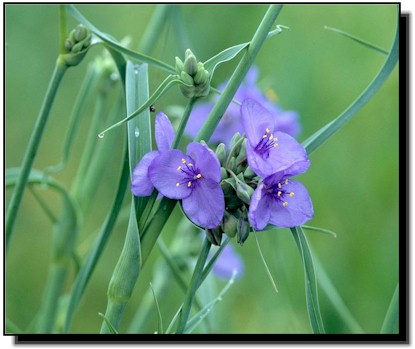
Most of us are familiar with the Persimmon, Crooked neck squash, Pumpkins and Peas, so I’m sharing more information about some of the less known edible plants and fruits like the Spiderwort.

7e374759610ed66e6bc975beaf437d03

Spiderwort plants and flowers grow in clusters, with each individual bloom lasting only part of a day. All parts of many Spiderwort can be eaten- leaves, flowers, stalks and roots.The spiderwort (Tradescantia ohiensis) also has medicinal properties. The plant’s crushed leaves are purported to alleviate the sting of insect bites and when in tea form, it can be used for kidney and stomach pain, as a laxative and increasing breast milk.

OSpiderwort

Some other edible wild plants are Amaranth, Burdock, Cattail, Clovers, Nasturtium, Chickweed, Dandelion and Chicory. You will love this Nasturtium Blossom Salad. Nasturtiums can be used as an antibiotic for bronchitis, sore throat, flu, etc…

Nasturtium salad 2

The Paw Paw fruit is not very well known among the mainstream, but people have enjoyed the vast health benefits for at least 500 years.  The Paw Paw has a smooth, custard-like texture and a subtle but excellent strawberry-banana type flavor. The Paw Paw fruit is not only the largest fruit native to North America, it also brings with it a wide range of unbelievable health benefits and is called the “newly discovered superfood”, despite its long history of use. It has 70 times the Iron as many fruits, has high levels of antioxidants, 20 times the Magnesium of apples/bananas and more Vitamin C than Oranges.

health-benefits-of-pawpaw-tree-fruit

See more at: http://althealthworks.com/1134/the-health-benefits-of-paw-paw-vitamins-minerals-and-possible-anti-cancer-effects/#sthash.cfV6A54m.dpuf

Other fruits not well known to some North Americans are the Cactus Pear Fruit and the Horned Melon Fruit.  Cactus Pear Fruit or Prickly pear cactus, also called Nopales, is promoted for treating diabetes, high cholesterol, obesity and hangovers. It is also ued for its antiviral and anti-inflammatory properties and is popular in Latin America.  The edible parts of prickly pear cactus are the leaves, flowers, stems and fruit. Prickly pear cactus are found in all of the deserts of the American Southwest. Most prickly pears have large spines on their stems and vary in height.

cactus fruit bowl

Sliced Cactus Fruit

cactus fruit

Although I have heard so many stories about the prickly pear cactus fruit and it’s defense mechanisms to protect it’s fruit, I truly did not grasp how dangerous it is to collect this delicious fruit.  It was one of the most painful lessons I ever had to learn while hiking in Oracle, Arizona. Let me just say that pliers were used to remove the needles from my hand. If you are stranded and need to eat this, please take great care when collecting the cactus fruit… Yummy but Ouchy!

Persimmon & Horned Melon

Horned Melon & Persimmon

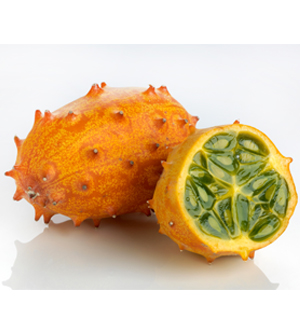
Native to the Kalahari Desert in Africa, the Kiwano is also known as the Horned Melon, the melano, the African horned cucumber, the jelly melon, and hedged gourd.  When ripe, the fruit tastes like a mix of cucumbers, kiwis, honey dew and bananas.  During the dry season, the Horned Melon is the only source of water in the African desert and may help save your life. The horned melon is really an unusual looking fruit. It has a nearly ancient physical appearance and is now grown in Australia and New Zealand.  This melon contains high levels of Vitamin A and organic types of vitamin E tocopherols.

Health-benefits-of-horned-melon

There are so many fruits and wild plants to share, but I will share one more called the Loquat.

There was a massive gas line leak in our neighborhood and my toddler and I had seconds to unexpectedly evacuate. It was 107 degrees outside and my husband was stuck in traffic rushing to get home to us.  We wandered to a local neighborhood exploring and made the best of our situation.  We discovered a tree with a succulent, tangy and yummy fruit called Loquat.

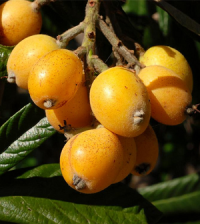
Loquat fruit is rich in vitamins, minerals, and anti-oxidants.  This unique fruit originated in the wild mountainous, evergreen rain forests of Southeastern China, but has now spread all across the world, including Japan.

Health-benefits-of-Loquat-200x224

If you can not clearly identify a plant and you are unsure about whether it is poisonous, it is best you don’t eat it.  Some common toxic plant signs are: three leaved growth pattern, grain heads with pink, purplish or black spurs, almond scent in the woody parts and leaves, bitter or soapy tasting plants, beans, bulbs or seeds inside pods, spines or thorns, milky or discolored sap. (Brett & Kate McKay, surviving in the Wild).

Desiree PocahontasI hope this article has inspired you to get to know the terrain you plan to explore or the terrain local to you in case of an emergency.  If you are already well versed in the area of wild plants and fruits, maybe there are children, a community or people you can be a Pocahontas for!

*This picture is used to embrace my Native American Heritage.

Stay healthy & happy, ~Dr. Dee


Super Moist Vegan Raspberry Pumpkin Spice Cake: Healing Benefits of Raspberries

When things in life look really really bad… it’s time to get to work!

Did you know that when Ludwig van Beethoven discovered he was going deaf at age 26, he didn’t give up composing his music? Beethoven started working more diligently and told people he knew there was work he was born to complete…

When our newborn son was diagnosed with H-Pylori, a bacterial infection of the stomach, we were told there was nothing we could do but give him antibiotics and synthetic medications that would cause all sorts of horrible side effects and probably not cure his infection.  So our choices were to give up or be inspired by Beethoven!

Helicobacter pylori or H pylori is a bacteria that causes peptic and duodenal ulcers and many other types of stomach inflammations that cause burning, pain, nausea, bloating and extreme distress. In some people, some strains of the bacteria do not cause any symptoms, while other strains develop life threatening conditions like stomach cancer.

Inspired by Beethoven, instead of believing there was nothing I could do, I went straight to work and was more determined to find some relief for our 8 month old infant. I started researching what people around the world were doing to naturally cure H-Pylori.  

This mom on a mission discovered so much more about fruits which have strong antibacterial qualities and are potent in treating Helicobacter pylori and many diseases. Fruits heal because they are also rich in phytonutrients which are antibacterial, anti carcinogenic, and antiviral in nature.

In addition, I discovered there are many other natural powerhouses that can help slow down the growth and pain associated with the ulcers and bacteria, which gives the gut a chance to heal. Some of these natural remedies are: Tumeric, Garlic, Apple Cider Vinegar, Fresh Wasabi, Baking Soda, Broccoli Sprouts, Mastic gum and of course, Raspberries.  Luckily, Bodhi’s favorite remedy is Raspberry.

raspberry cake top 3.png

Raspberries are considered a Super-Fruit and really carry a lot of healing power in every little berry.

Tests conducted at the Hollings Cancer Center at the Medical University of South Carolina have revealed that the human body benefits from raspberries in so many ways.

The Medical Benefits of Raspberries:

  • Raspberries have Ellagic acid, an anti-inflammatory, kills Cancer cells & kills H-Pylori Bacteria.
  • Raspberries do not have any fat, saturated fat, sodium or cholesterol.
  • They are high in Fiber, Vitamin C, potassium and folate.
  • Raspberries contain antioxidants such as Quercetin & Gallic acid.
  • Gallic acid fights against cancer, heart and circulatory disease and age.
  • They are also high in polyphenolic compounds which also fight cancer.
  • The Anthocyanins in raspberries are antioxidants that protect against heart disease & mental decline.
  • The oil from raspberry seeds is rich in Vitamin E & Omega-3 fatty acids.

Raspberries can be eaten any way you like: fresh, frozen, cooked or preserved, the ellagic acid remains intact even after cooking or preservation. Make sure that you have a continuous supply of ellagic acid in your diet to prevent the recurrence of the H-Pylori condition, which is very common.

When Beethoven lost the majority of his hearing and his greatest love… he composed Immortal Beloved, When life handed me tart raspberries… I made Sweet Raspberry Cake!  🙂

Today, I’m sharing a recipe for Raspberry Pumpkin Cake… a Yummy Yummy dessert that is so soft and moist, it’s filled with healing raspberries, and is just one big tasty holiday party in your mouth!  This cake has all of your favorite holiday spices, but with a frosting that has a twist!

Yes, there is sugar, but it is super Moist, Vegan and Gluten Free! Shhh your guests and family will never ever know!

2014-10-26 20.08.22_resized

Vegan & Gluten Free Raspberry Pumpkin Spice Cake:

Cake Ingredients:

  1. 3/4 Cup homemade pumpkin puree 
  2. 1/8 teaspoon of Fresh Ginger Shavings
  3. 1/4 Cup Granulated Sugar
  4. 1/4 Cup Light Brown Sugar, packed
  5. 1/3 Cup Coconut Oil, melted.
  6. 1/4 Cup Vanilla Almond Milk, room temp (or coconut, rice milk) 
  7. 2 Tablespoons Coconut Nectar (or Molasses, Agave) 
  8. 1 Tablespoon Vanilla Extract 
  9. 1 teaspoon Ground Cinnamon
  10. 1 teaspoon Pumpkin Pie Spice 
  11. 1 teaspoon of All Spice 
  12. 3/4 teaspoon of Ground Cloves 
  13. 1/2 teaspoon of Ground Nutmeg  
  14. 1 Cup plus 2 Tablespoons Gluten-Free All-purpose Flour 
  15. 2 teaspoons Baking Powder  
  16. pinch of Sea Salt (optional)  

Instructions for Cake:

  1. Preheat oven to 350F. Spray 3 medium ramekins with cooking spray. 
  2. Wash your sugar pumpkin and clean it inside and out. 
  3. Dry pumpkin, cut a round cap, then cut pumpkin into slices & squares. 
  4. Remove pumpkin skin, then boil Pumpkin Meat squares until soft. 
  5. In a large mixing bowl, combine all dry ingredients, whisk to combine.
  6. In a separate bowl, combine room temp milk & melted coconut oil. 
  7. Once Meat is boiled, place in a high speed blender with Ginger, blend.  
  8. Now add all the wet ingredients to the dry ingredients and mix well.
  9. Evenly pour the batter into each prepared ramekin.
  10. Bake about 28-30 minutes, until center is set & toothpick comes clean.
  11. Allow cake to cool in ramekin, on top of a wire rack, for at least 30 minutes before placing on the rack to finish cooling completely. While cake cools, make the frosting.

Frosting 

  1. 1/4 Cup softened Coconut Butter (or butter of choice)
  2. 2 Cups Confectioner’s Sugar
  3. 3-4 Tablespoons of Coconut Milk (or milk of choice) 
  4. In a large mixing bowl, combine vegan butter, 2 cups confectioners’ sugar, 3 tablespoons Vegan milk of choice, and beat with an electric mixer on medium high speed until smooth. If needed, drizzle in more milk until desired frosting consistency is reached. If frosting is too loose, add a bit more confectioners’ sugar or milk until you have desired consistency. 

 Raspberry Garnish

  1. 3 packages of Raspberries
  2. Set 1/3 of the raspberries aside to garnish the cake.
  3. Using a small knife, split the remaining raspberries down the middle so they can be opened flat.
  4. Put one cake layer on a serving plate. Spread with one third of the frosting and add one half of the split berries.  
  5. Add a second layer and repeat with another third of the frosting and the remaining split raspberries.  
  6. Top with the last layer of cake and remaining frosting, garnish top with the remaining raspberries.  

Oh your house is going to be filled with the aroma of the holiday spirit! This will be an absolute hit with all your family and guests!  Looking forward to hearing how much you loved this Yummy Yummy treat!

Stay healthy & happy ~ Dr. Dee


What is Detoxing? Why is it important? Detox Smoothie Recipe!

Screenshots_2014-10-20-19-09-24

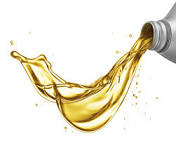
Do you think it is important to change the oil in your car’s engine?

Detoxing our body on a regular basis is as critical as changing the oil in our car regularly!  Strive to be a finely tuned machine that is cleaned, lubed and given great fuel!

What is Detox?

According to Cambridge Advanced Learners Dictionary & Thesaurus, Detox is a process or period of time in which one stops taking unhealthy or harmful foods, drinks, and other substances into the body for a period of time, in order to improve health. Basically, detoxification means cleansing the blood by removing impurities from the blood in the liver. The body also eliminates toxins through the kidneys, colon, gall bladder, intestines, lungs, lymphatic system and skin.

Why is Detoxification important?

A typical car needs to have the oil changed about every 3000 miles. The accumulation of miles on an engine results in more unburned fuel to be dumped into the crankcase, which causes the oil to degrade. Over time, this can bring about rapid and undue engine wear and all the problems that come with it, such as loss of performance and fuel economy, and increased emissions and oil consumption.

Blood Detox is very important because our body is constantly being bombarded with toxins from every aspect of our lives.  Un-natural chemicals in your drinks, in your food, in your vitamins, medication, the air you breathe, in the lotions, pesticides, and beauty products, all result in a blow by blow degradation that cause undue wear and tear and major over-load on your organs.  Mucked up and dirty blood causes a loss of body performance and poor food fuel efficiency.

Changing your oil is one of the easiest and cheapest ways to make sure that your engine and car stays in good shape. This is such simple maintenance, but people often let it go for thousands and thousands more miles than is safe.

This is also true for clearing out the dirty blood and toxins in our body.  Cleansing our blood is one of the easiest and cheapest ways to make sure that our system stays in good efficient shape. By detoxing your blood, you can improve the functioning of all your main organs, especially your liver, your kidneys, your pancreas and gall bladder.

images-28

2014-10-20 15.36.26_resized_1

5 Signs Your Body Needs a Detox:

1) Unpleasant Noises:  Are you constantly full of gas, bloated, retaining fluid, have congested sinuses? Is your stomach constantly making weird knocking and pinging sounds? Do you get constant cravings? It’s time to examine the fuel you are putting in your body and consider a Detox!

2) Color: The color of your tongue should be a pretty pinkish color. If your tongue is White or yellow-coated, and/or you have bad breath, then consider a Detox!

3) Red Flags: Trouble with fertility? Have you had issues with your gallbladder or had it removed? Are you diagnosed with an auto-immune disease like Fibromyalgia, Chronic Fatigue, Lupus,Celiac? Do you have Acne, Rosacea, Itchy skin, mood swings?

4) Sluggish Body:  Do you have early morning Insomnia? Are you always feeling fatigued, even after sleeping a long time? Is your body really sluggish about losing weight even though you exercise and diet regularly?  Do you get overheated and sweaty really easily?

5) Chemical sensitivity: Is your body sensitive when drinking alcohol? Are you easily affected during and after having alcohol, medicine, vitamins? Does the smell of fragrances and chemicals leave you feeling really sick and/or anxious?

According to Harvard-educated physician, Sara Gottfried, M.D., author of The Hormone Cure (Simon & Schuster, 2013), there are many signs that tell us that it is time to Detoxify our body.  She goes on to say that if you have 4 or more of these signs listed within the examples, you may have a Congested Liver that needs Detoxing.

There are so many types of Detoxing programs out there for you to choose from. It is imperative that you do your research and figure out what works for you! It is best to have a mentor help support you with your detox. Consider seeing a Functional Medicine MD, Homeopath, Holistic Nutritionist or someone who is considered a true expert in Detox and Nutrition.

It is important to clearly understand there is not a one size fits all! Some people use Juicing, Eating Cruciferous vegetables, Extracts, Teas or Herbs… Research!

It is important that you go very very slowly at first so that you can learn what is best for your genetics and sensitivities. For example, if you are sensitive to sulfur, sulfites, sulfates… then high levels of cruciferous vegetables are something to be very careful with. Cruciferous vegetables are high in sulfur and may lead to greater pain and inflammation. What are your genetic food sensitivities?

Glasses with fresh vegetable juices isolated on white

According to Mark Hyman, M.D., regardless of the Detox program you choose, do the following while Detoxing:

  1. – Drink at least 6 -8 glasses of filtered water daily
  2. – Are you having regular bowel movements? (Consider Magnesium?)
  3. – Allow more time for sleep while Detoxing. (Consider Magnesium)
  4. – Exercise Daily! (Min of 30 minutes)
  5. – Help an upset stomach with Ginger or Peppermint Tea. (4 cups a day)

As a Holistic Nutritionist, I can tell you that juice cleanses are an absolutely wonderful way to thoroughly cleanse your entire body. Juicing helps you skip chewing and breaking down food, so your digestive system is given a big break and time to repair and heal. Juicing your food will fill your body with live enzymes and an abundance of antioxidants that help not only neutralize free radicals but also strengthen and support your immune system, lower blood pressure, and improve your sleep and memory. An added bonus is these antioxidants have anti-aging properties!  Juice cleansing is an excellent way to inundate your system with antioxidants and enzymes.  We use the Nutribullet daily!

Again, start very slowly and please remember to consult a trained health care professional before you begin!

Here are a couple of Yummy Yummy recipe ideas to discuss with your Detox mentor:

2014-10-20 21.09.57_resized

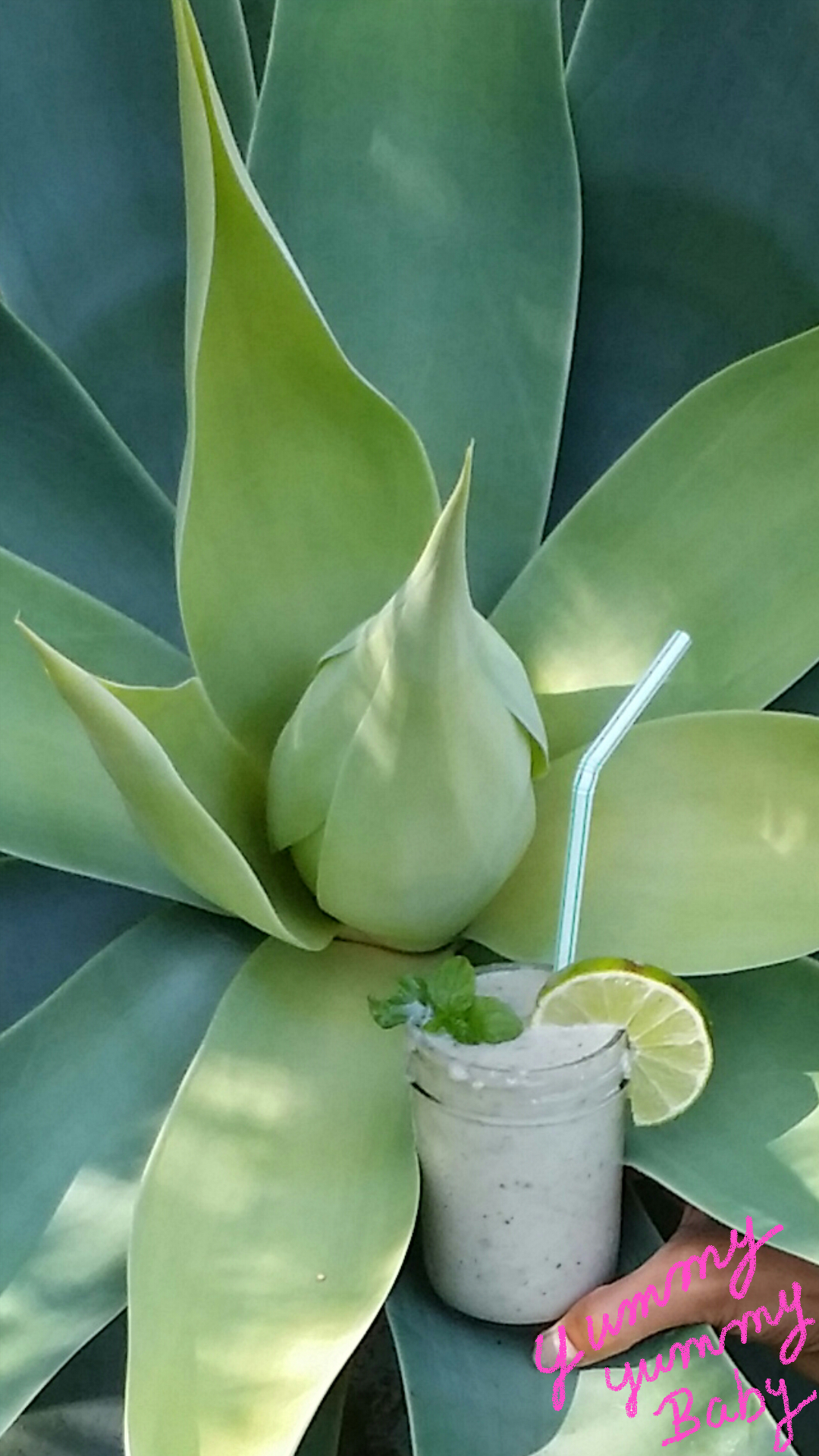
Nice-Cream Cilantro-Lime Detox Margarita:

2-3 Frozen Bananas, 1/4 Cup Cilantro, 2 Tablespoons of Mint, 2 Cups Cold Dairy Free Milk

Detox Margarita Instructions:

Chop Bananas in chunks, Mix all ingredients in a Food Processor or High Speed Blender, Enjoy!

Green Machine Smoothie

1 handful each of Spinach, Mint, Parsley; Juice of half one Lemon; 1/2 a Cucumber, peeled; 1 large Celery stick; 1 inch piece of Fresh Ginger, peeled

Green Machine Instructions:

Blend all ingredients together in a juicer or blender until smooth. Serve over ice & enjoy!

Ask your Detox mentor how often you should detox, which depends on how toxic you are and what you are trying to achieve.

Remember to keep your car’s oil clean and your body’s blood clean and Oh the places you will go!

Stay Healthy & Happy ~ Dr. D.