Vegan Coconut Yogurt Recipe: Probiotics Benefits You & Baby!

yogurt bianco e fragolaWhat Are Vegan Probiotics?

Probiotics are living microorganisms, that scientific research has shown to benefit our health. Most often they are good bacteria, but they may also be other organisms such as yeasts.

Vegan Probiotics are similar, or the same, as the “good” bacteria already in your body, especially those in our tummy, but without allergens such as dairy products. These good bacteria are part of the trillions of microorganisms that already inhabit our bodies.

This community of microorganisms is called the microbiota. Some microbiota organisms are known to cause disease and others are known to aide in digestion and good health.

Some Foods with Natural & Dairy-Free Probiotics:

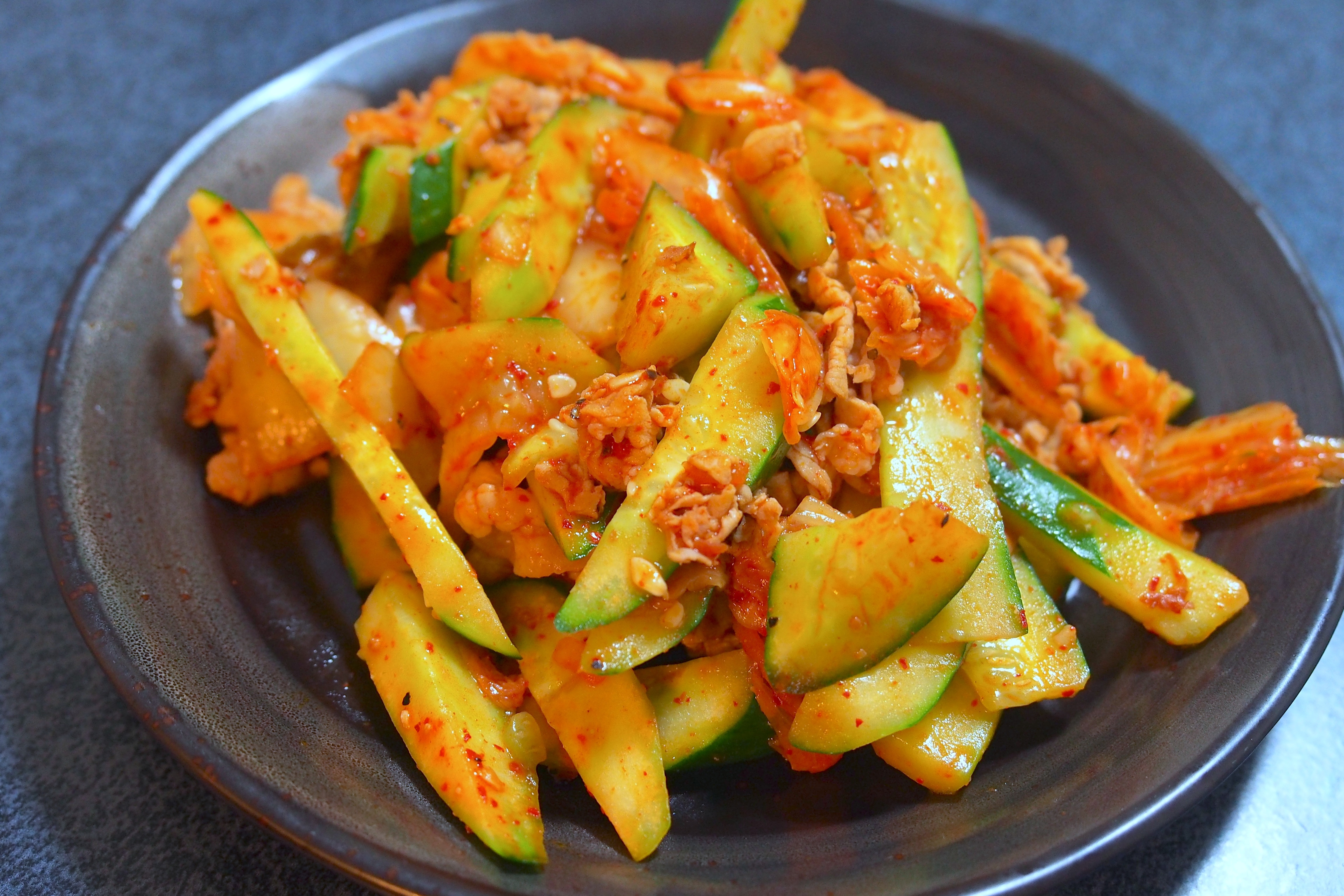
Homemade Coconut Yogurt, Miso Soup, Kambucha, Sauerkraut, Pickles, Tempeh, Kimchi & other fermented food. 豚キムチ As you can see in the list and the photos, foods that have natural probiotics are not foods babies or children can or would like to eat… This is why is important to learn about Probiotic supplementation for infants & kids.
The two kinds of Bacteria used most often in Probiotics are Lactobacillus and Bifidobacterium. These GOOD BACTERIA are also far more abundant in infant poop then in adult excrement.

Each group of bacteria has different species and each species has different strains. Different strains have different benefits for different parts of your body. Most importantly, in order for Probiotic Bacteria to work, they must survive the acids in the Digestive Tract.

It is important to buy good quality REFRIGERATED probiotics, which can not be found at regular grocery stores!

Why Babies feel better with Vegan Probiotics!

  • They Boost immune system by enhancing antibodies to vaccines.
  • Prevent harmful bacteria from attaching to gut lining & growing there.
  • Send signals to cells to strengthen mucus in intestines
  • Helps mucous act as a barrier against infection.
  • Inhibit/Destroy toxins released by “bad” bacteria.
  • Produce B vitamins necessary for metabolizing food
  • Reduces anemia caused by deficiencies in B6/B12.
  • Maintains healthy skin and a healthy nervous system.

image

Other Possible Benefits of Vegan Probiotics for Babies:

  • Prevention of necrotising enterocolitis (death of intestinal tissue).
  • Prevention of fevers & diarrhea.
  • Increased immunity in infants infected with Rotavirus & Diarrhea.
  • Reduces chances baby will develop atopic Eczema & Asthma.

Signs your Baby/Child may need Vegan Probiotics!  

  • Colic
  • Eczema
  • Diarrhea
  • Constipation
  • Bloody stools
  • Mucous in stools
  • H-pylori in the family
  • Repeated respiratory infections

Other Important Questions!

  • Was baby born premature? Was baby given antibiotics?
  • Was mom given antibiotics during pregnancy/delivery/breast feeding?
  • Was baby born through C-Section? Did mom drink dairy while pregnant?
  • Did mom lack fresh fruits and vegetables during pregnancy?
  • Did your baby get sick after he/she was vaccinated?
  • Did biological mother have a vaginal infection during birth?

If your baby/child has any of these symptoms, it is critical to consult with someone who can do an assessment and who is truly aware of Probiotic benefits. (Functional Med Dr/Homeopath/Naturopath/Nutritionist). IMG_20141123_092914
Possible Consequences of a Damaged Digestive Tract:

If the mother had an undiagnosed vaginal infection during a vaginal birth, it is possible the baby’s gut could have been damaged by this infection.

If your baby was adopted or was not breast-fed then your baby did not receive all of the natural and healing properties that are in breastmilk. According to Dr. Natasha Campbell-McBride, Neurologist & Neurosurgeon, if your baby has a damaged digestive tract, it will further damage the integrity of his or her gut wall. This damage allows Pathogenic microbes and all sorts of toxins and microbes to flood your child’s bloodstream, and then enter the brain and disrupt development. This can result in ADHD, GAPS, Schizophrenia, Autism and Mood Disorders.

Which Probiotics are best for Baby?

Vegan Lactobacillus Species

  1. Lactobacillus casei Shirota: Supports the immune system & move food.
  2. Lactobacillus bulgaricus: Relieve symptoms of lactose intolerance.
  3. L. rhamnosus increases colonic B. breve & matures immune system.
  4. L. paracasei produces L(+)-lactic acid & antagonizes Rotavirus, Staphylococcus Aureus.
  5. L. gasseri is native to the human gut & is in breast milk.
  6. L. salivarius in intestinal tract, helps calcium absorption & helps intestinal barrier.

Vegan Bifidobacterium Species:

  1. B. breve promotes growth of B cells in Peyer’s patches in the ileum
  2. Antagonizes rotavirus & reduces intestinal anaerobic Bacteroides & Clostridium.
  3. B. infantis reduces the risk of necrotizing enterocolitis in babies.
  4. B. lactis enhances normal immune function
  5. Modifies gut microflora against allergic inflammation.
  6. B. bifidum suppresses total & allergen-specific IgE secretion.
  7. B. longum regulates immunity to respiratory antigens & inhibits neutrophil elastase.

Vegan Lactobacillus and Vegan Bifidobacterium are the two species designed to safely meet the metabolic and intestinal support needs of infants up to the age of 2 years. It is important that Infant Probiotic Formulas produce predominantly L(+)-lactic acid that can be safely metabolized by infants. An infant’s gastrointestinal tract is not fully mature at birth and cannot metabolize the D(-) isomer of lactic acid produced by many lactobacilli.

Secondly, studies show that using a multi-strain, allergen free Probiotic that has some or all of the strains listed above, work best to bring healing and digestive support. IMG_20141118_081653
Dairy-Free (Vegan) & Gluten Free Probiotics are Best!

Many babies are allergic to dairy and gluten so it is best to use a probiotic that is cultured on a Vegan growth media that is free of common allergens, including dairy, wheat, gluten, egg and soy. It is also important to make sure that the label states:

  • No Dairy
  • No Egg
  • No Sugar
  • No Artificial Sweeteners
  • No Coloring
  • No Flavors
  • No Preservatives.

Where To Buy Good Vegan Probiotics! Klaire Labs, Prothera, Designs for Health are some of the good ones!  Consult a Natural Care Provider. It is important to buy Probiotics that are ALIVE & KEPT REFRIGERATED and not dead and can sit on a shelf.

Many tests have been conducted and the refrigerated kind are a lot more active, powerful and effective! Dosage of Probiotics: It is critical that you follow the instructions that are on the bottle of the Probiotics, however, it is also important that if your baby is having serious gut issues, you should be working with a person who is very aware of how to use dairy-free probiotics.

According to an Australian study published in BMC Medicine on August 2, 2011 by the Department of Neonatal Pediatrics in Nepean Hospital along with several other Australian hospitals, the following guidelines are best for premature babies: The probiotic should be diluted with breast milk or water, to about 1.0 to 1.5ml per dose. • Neonates less than 32 weeks gestation: 3 x 10⁹ cfu/day (“cfu” stands for colony forming units) • Extremely low birth weight neonates (ELBW): 1.5 x 10⁹ cfu/day until they reach enteral feeds of 50-60 ml/kg/day.

When to Start and Stop Your Baby on Vegan Probiotics!  

According to Dr. Mercola, Probiotics should be started as early as possible, before pathogens can colonize your baby’s intestinal tract and before antibiotics destroy his natural flora. Dr. Mercola reported that in most scientific trials, probiotics are typically started with the start of enteral feedings, but they have been started as early as in the first four hours of life. In addition, many mothers start probiotics during pregnancy if they themselves have stomach problems, allergies, reflux or other intestinal dysbiosis. fruit cup
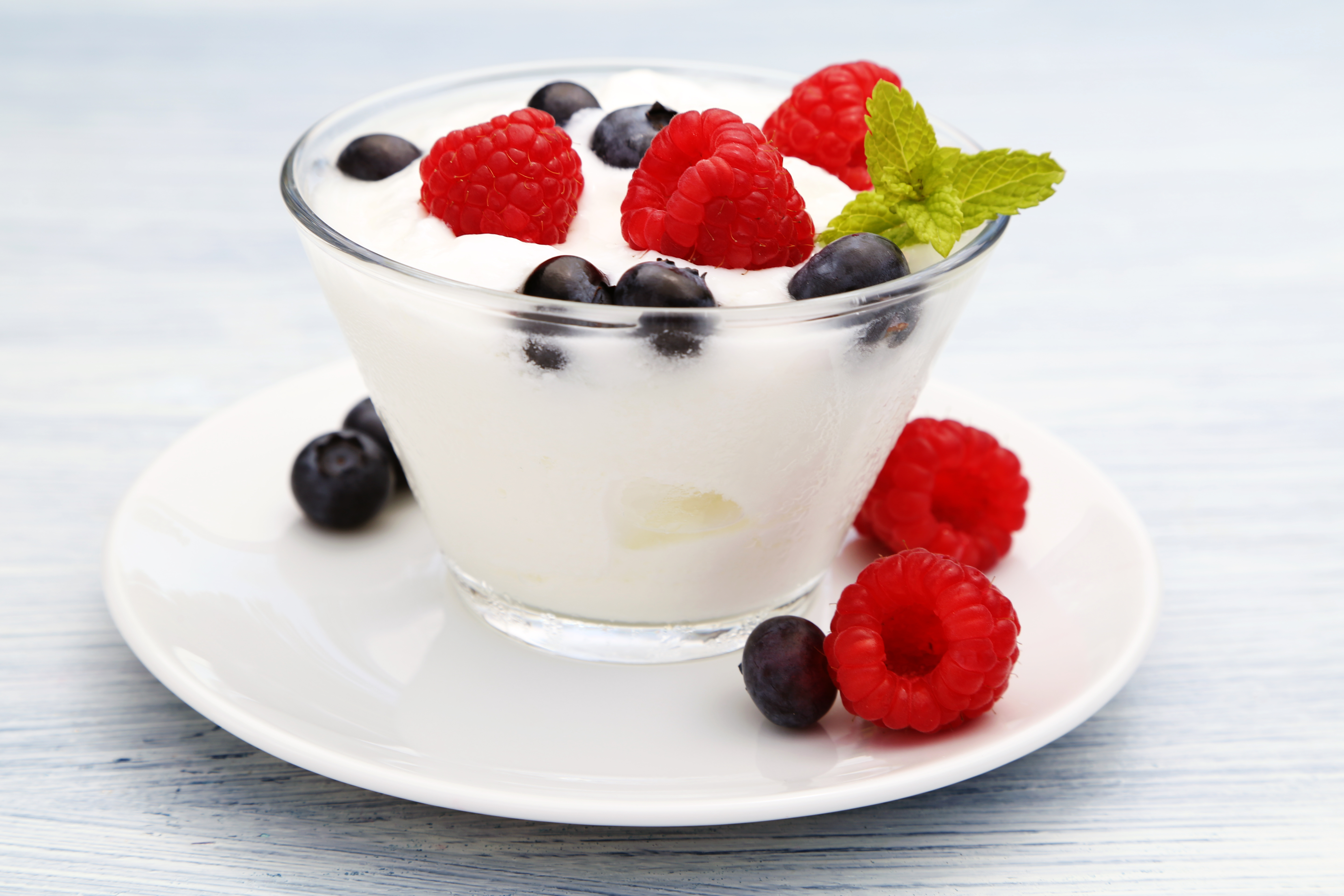
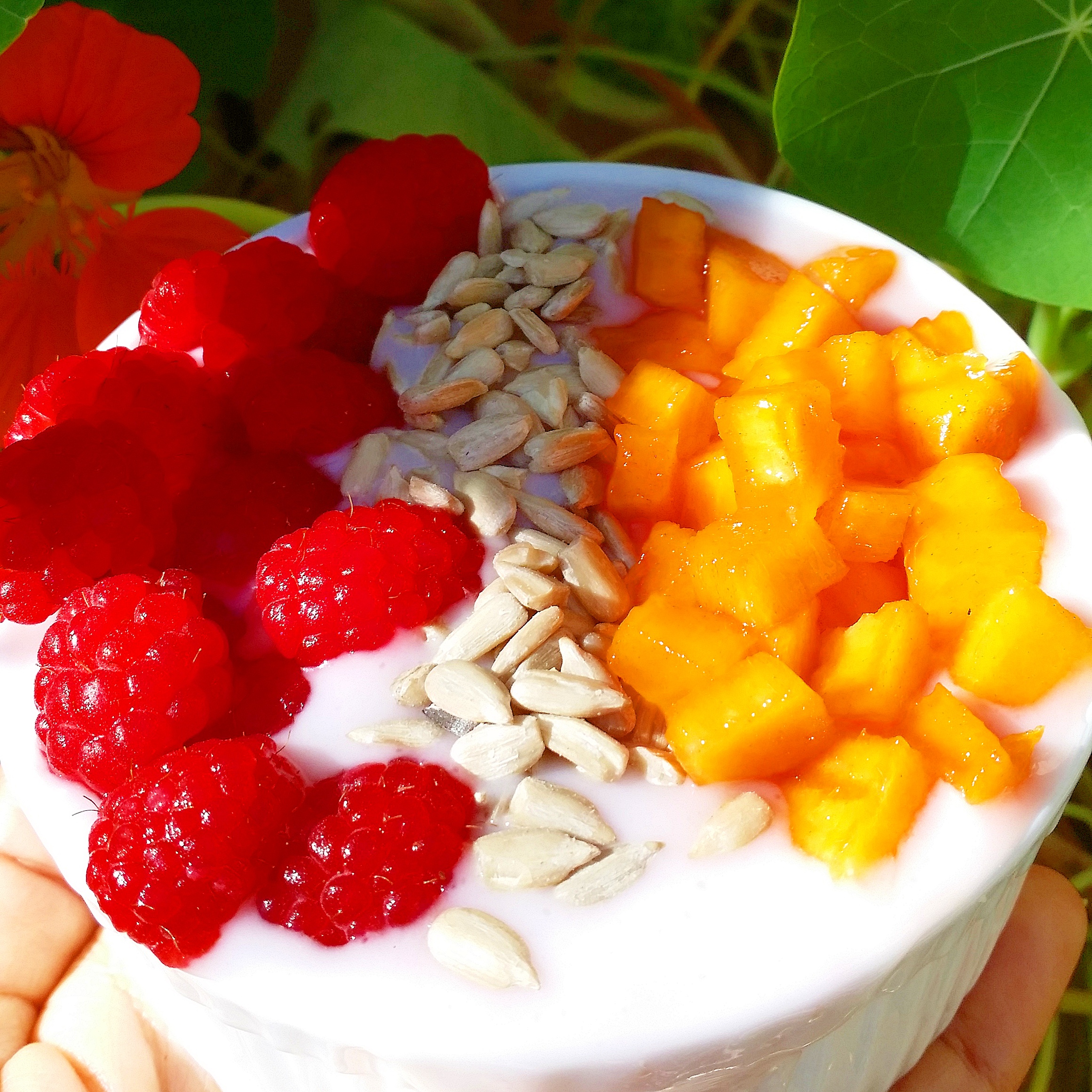
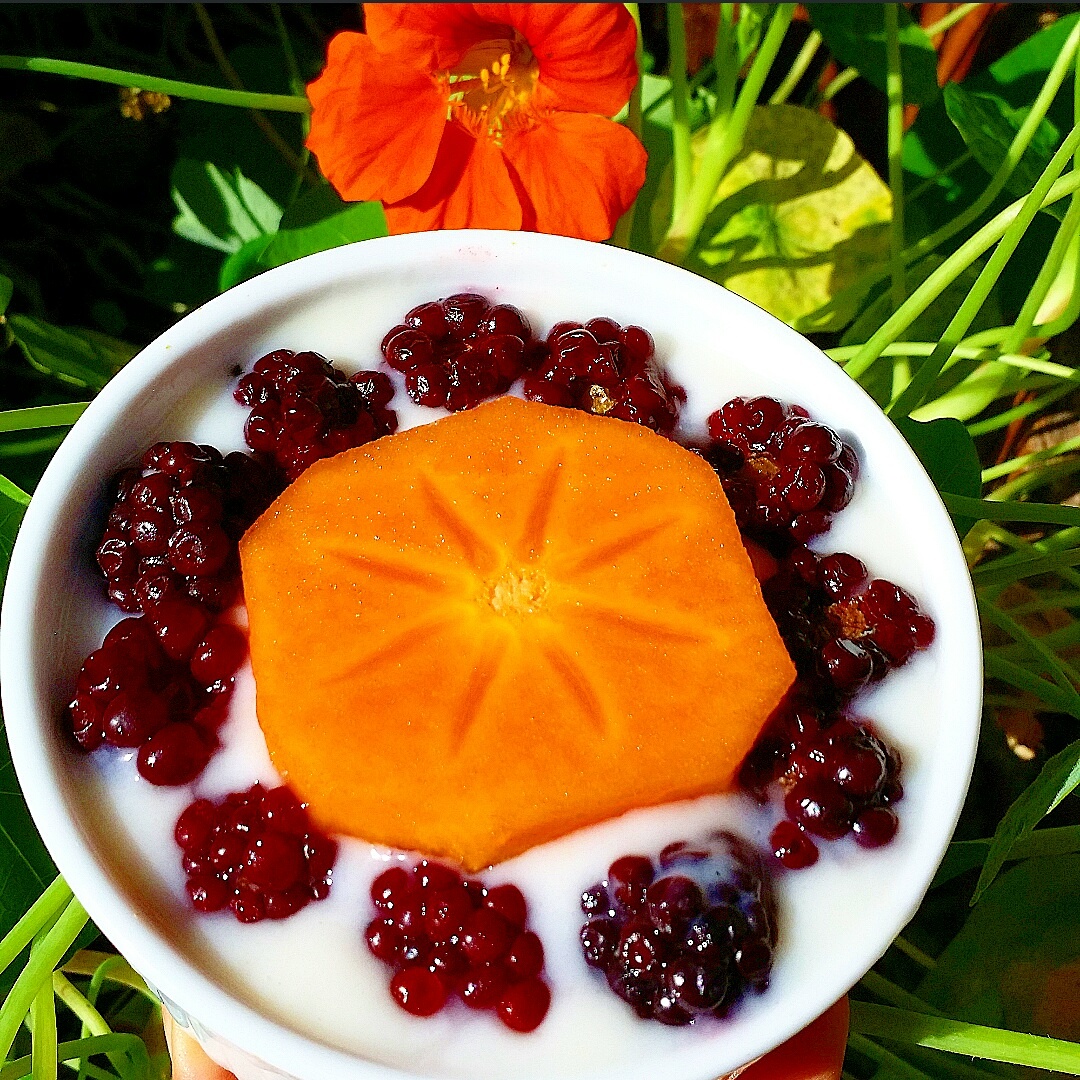
Recipe for a Vegan Probiotic filled Yummy Yummy Coconut Yogurt!

Prep time: 5 mins Cook time:  24 hours Makes: 1 quart Ingredients:

11 ounces of Homemade Coconut Milk or 2 cans full-fat Organic Coconut Milk 2 Probiotic Capsules Instructions:  Blend coconut milk with contents of probiotic capsules. Transfer to a 1 quart glass jar with a tight-fitting lid. Store somewhere warm, like an oven or a window sill. After 24-48 hours, it should smell like yogurt. It may be runny, more like kefir than yogurt. If you prefer, leave it out longer. After 48-72 hours, it should be thick and have a more tangy flavor. Store in the refrigerator for up to 7 days.

*** Side notes:

  1. Use an oven light to help create more warmth.
  2. If you want a sweeter yogurt, mix in Coconut Nectar or Fruit.
  3. Some Probiotics work better than others. please experiment.
  4. The homemade coconut milk doesn’t work as well, but BPA free.
  5. If you are ok with BPA, canned milk works really well & is thicker.

Stay Healthy & Happy! ~ Dr. Dee


How does your food stack up? 8 Natural Remedies for Flatulence!

There is a form of perfection within each of us… But smelly flatulence is not one of them!

Yes, passing gas is totally organic and normal, but if your gas is often foul smelling, it is important to investigate the cause of it!

It may seem like males pass gas more often than females, but really they are just typically more overt about it… Both the typical male and female pass gas about 15 times a day.

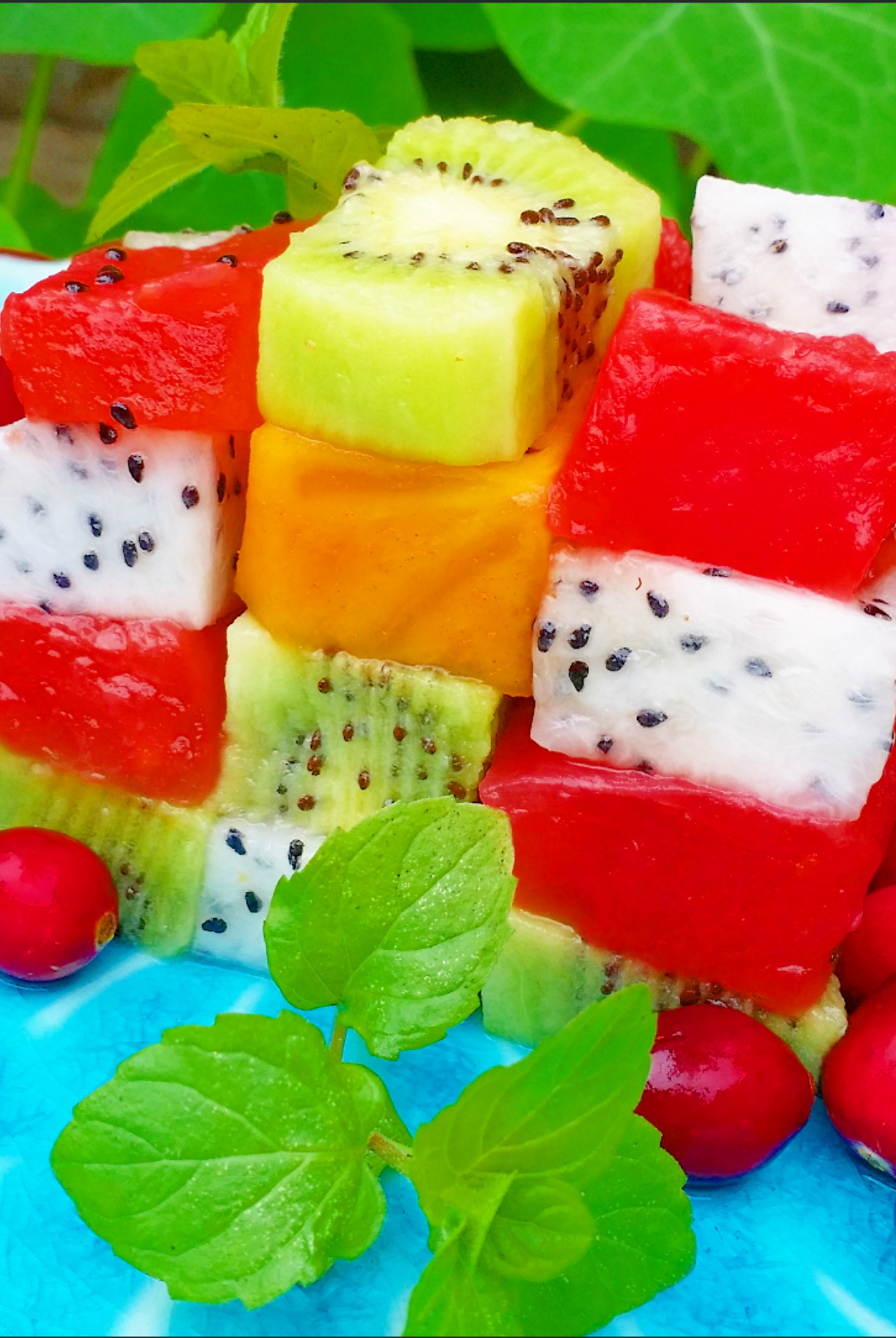
Stack of Fruit Blocks

Stack of Fruit Blocks

In our house, we stack wooden blocks AND fresh fruits & vegetables… We have learned which Fresh Foods stack up well in our particular body, so we never have flatulence! Lol… Not really, hahaha… but truly, this is a subject that needs to be discussed.

Having a toddler in the house, we often stack blocks and food… He has learned that in stacking his blocks, the blocks don’t have to look perfect, but they do have to be strong and balanced!  Life and our stomach health are like these blocks, everything runs more smoothly when our food and life are balanced every step of the way.

Like these wooden blocks, balance really is key for so many aspects of our lives, especially our Health, Food and Exercise.

2014-11-18 15.02.58_resized

One Group professes Raw is the best, another feels Vegan is the best, and another feels gluten free is the best and so on and so forth… Each of these may definitely be the best for some people, but as a nutritionist, I have learned that each of us has our own Unique needs and that it is important to really study and investigate what food works best for our own genetic code!

Important questions to consider:

  • Have you ever kept a food diary and recorded how your body & mind react after eating meat, dairy, gluten, etc?
  • Does your family have unknown food allergies resulting in Eczema, Psoriasis, Snoring, Itchy Skin?
  • Are you sensitive to foods high in Sulfur, like Broccoli, Asparagus, Meat, Cauliflower, Kale and Brussels Sprouts?
  • Are you sensitive to certain fruits that cause a lot of mucous in your poop or leave it floating in the water?

If you are experiencing regular nasal congestion, mucousy poop, snoring, itching, yellow eyes, diarrhea, constipation, joint pain, any of these may be Food Allergy Related and/or related to a leaky gut or some sort of Stomach Dysbiosis that needs to be addressed!

Tops Signs of Stomach Dysbiosis:

  1. Stinky Gas, Belching or Bloating
  2. Constipation or Diarrhea
  3. Indigestion, Heartburn, GERD
  4. Undigested Food you can see in your poop
  5. Fatigue after a good nights rest

If you consume a diet regimen abundant in foods that you do not realize you are allergic to or have a sensitivity to, such as meat, dairy, beans, eggs, gluten, high fructose, your gas will certainly have a stronger odor, but if the odor is excessive and you have other symptoms along with the odor, it may be time to consult a Functional Medicine Doctor/Holistic Nutritionist/Naturopath to review your symptoms and get a proper assessment.

Indian Spiced Chai Tea Spices

8 Natural Remedies for Flatulence:

  1. Fennel: Chewing 1/2 spoonful of fennel seeds after meals can help prevent bad gas.
  2. Ginger stimulates digestion and causes the stool to pass smoothly and quickly, which relieves gas.
  3. Caraway seeds can reduce acid indigestion, bloating and gas. Add a tsp of caraway seeds to a cup of steaming water and steep for 10 minutes. You can also eat the seeds or add them to your meal.
  4. Peppermint contains menthol which may help reduce gas and bloating. * Caution if you have acid reflux it may sting.
  5. Apple Cider Vinegar can offer instantant relief from acid indigestion and gas by sipping a Tbsp in a glass of warm water or take an ACV tablet as an alternative.
  6. Cardamom helps digest food and reduce gas. Cardamom can be added to tea, boiled water or simply chewed.
  7. Cinnamon can offer instant gas relief by warming up a cup of non-dairy milk & 1/2 tsp of Cinnamon.
  8. Papaya: The Proteolytic enzymes in papaya have the ability to break down protein which makes it easy for the stomach to digest food.

All of these remedies above, can definitely help you minimize your flatulence and odor, however, it is important that you understand how to permanently heal ongoing foul flatulence and understand why you are having it.

images-10

Possible Issues to Consider:

  • Low Digestive Enzymes – Gluten Free/Vegan Enzymes help digest food.
  • Non-dairy Probiotics & Prebiotics to help heal your gut lining.
  • Stomach Bacteria like H-Pylori or Candida needs to be detoxed.
  • Mineral, Vitamin & Amino Acid levels tested for deficiencies.
  • Heavy Metal testing due to Food, Dental Work, Environmental Toxins
  • DNA testing for Polymorphisms & Microdeletions
  • A total Elimination Diet for everything you consume.

Although your essence is perfect, the type of food you are eating or not eating may leave you feeling and smelling imperfect!  You only get one shot at this life, invest the time and dedicate yourself to clean health and Yummy Yummy Food for you and your Baby!

Lemon-Ginger Nectar Tea, a recipe that will soothe your tummy and keep you warm & cozy!

Lemon-Ginger Tea

Lemon-Ginger Tea

Lemon-Ginger-Nectar Tea:
2-3 Lemons (small/medium)
1-2 Ginger Nuggets (approx 4 inches long)
1/2 Tablespoon of Cloves
3 Cinnamon Sticks
Coconut Nectar (to taste)

Instructions for Tea:

First thoroughly wash your Lemons & Ginger.
Thinly slice both lemons and place in pot.
Thinly slice your Ginger about 1/8 inch, place in pot.
Next add the Cloves to the Pot.
Add 3 Sticks of Cinnamon
Add 8 cups of Spring or Alkaline Water to your pot.
Simmer on low/medium heat for 30 mins.
If you see a nice yellow tint, your Yummy Tea is ready!
Use a ladle and pour some into your cup.
Add about 1 tsp of Coconut Nectar to your cup, get comfy & cozy… enjoy!

Mint Tea

Peppermint Soothing Tea

1 teaspoon dried chamomile flowers

1 teaspoon dried peppermint leaves

1 teaspoon fennel seeds, lightly smashed

1/2 teaspoon dried cut ginger

6-8 ounces of hot water

Coconut Nectar to taste (optional)

Combine the chamomile, fennel, ginger and peppermint in a tea pot or cup. Pour very hot water over mixture and steep for 8-10 minutes. Strain the tea and sweeten with Coconut Nectar if desired.

Both of these teas are Yummy Yummy Baby… Enjoy!  ~ Dr. Dee


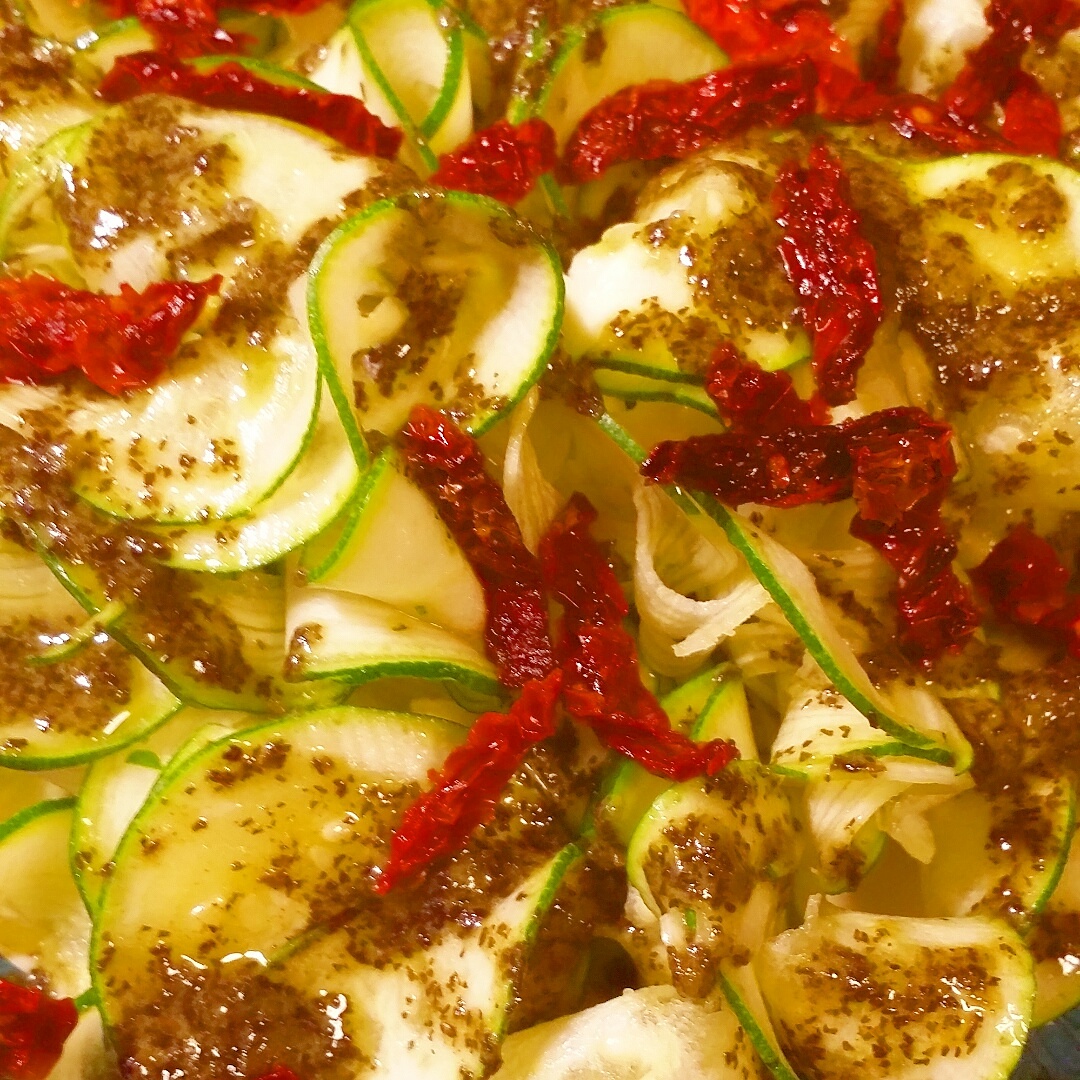
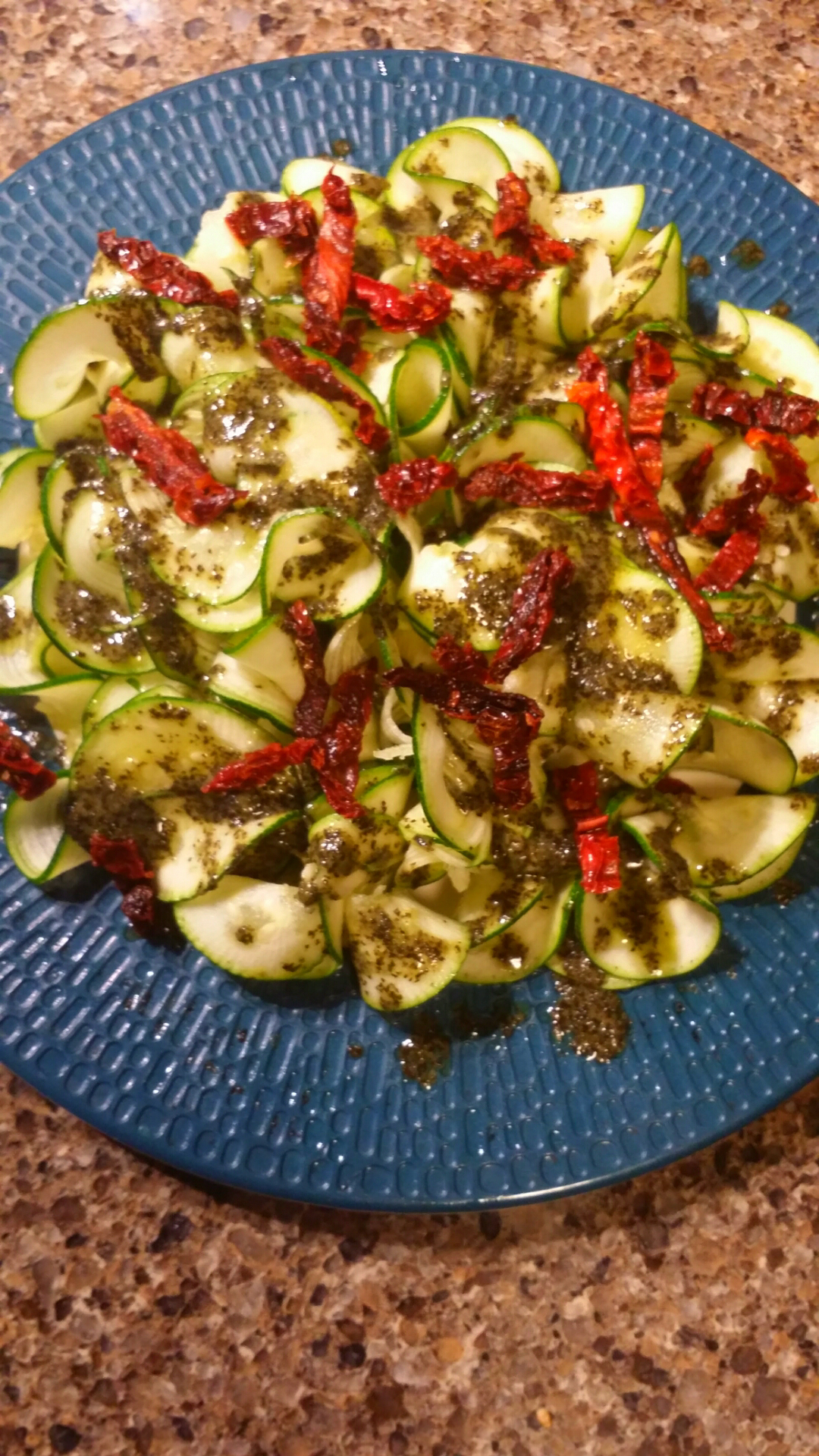
Vegan Zoodles, Pesto & Sun Dried Tomatoes

image

Have you had one of those days when you just throw something together and it turns out so Yummy & Deelicious?!?

Well this Raw Zoodle Dish is definitely a crowd and tummy pleaser!

Easy + Yummy + Guilt free = Winner!

First buy some sort of Noodle maker…  They are all only about $20 dollars. I suggest the Spiralizer over other brands (research & personal experience)…

Either that, or use a ceramic peeler to create shavings. The texture is much better with the spiralizer… but anything works!

Homemade Zoodle Pesto:

1 bunch of Basil or Cilantro;
1/3 cup of pine nuts;
2/3 cup of Raw Coconut Oil;
5 cloves of Garlic;
Sea Salt to taste;
Pepper to taste;

Place all ingredients in a food processor or high speed blender until you have the  consistency you desire!

Toss & drizzle Pesto on top of Zoodles, thrown on some Sun dried Tomatoes and Voila!

You are going to be licking your plate!!! It’s so Yummy Yummy Baby! 😋😋😋.

image

Stay Healthy & Happy ~ Dr. Dee
Dr. Dee


Food Allergies & Children: Why Fresh is Best!

Why Fresh Food is Best! Part I

bodhi eating bowl of frui

Babies deserve the best of everything that can be offered. The first year of life is the most critical for a child, particularly from a nutritional standpoint. Since parents are primarily responsible for their baby’s health, it is extremely important for them to understand Allergies and the unique nutritional requirements of infants & children.

During this period, an infant experiences the most rapid growth and development period in their entire lifetime. Nutrition is critical at this time, as the baby’s diet must support this rapid growth rate by getting adequate Phytonutrients and Complete Nutrition.

For at least the first year of life, Breast Milk is essential for a babies complete nutrition to be met. Nursing moms are giving their baby essential phytonutrients through their own diet and breast milk.

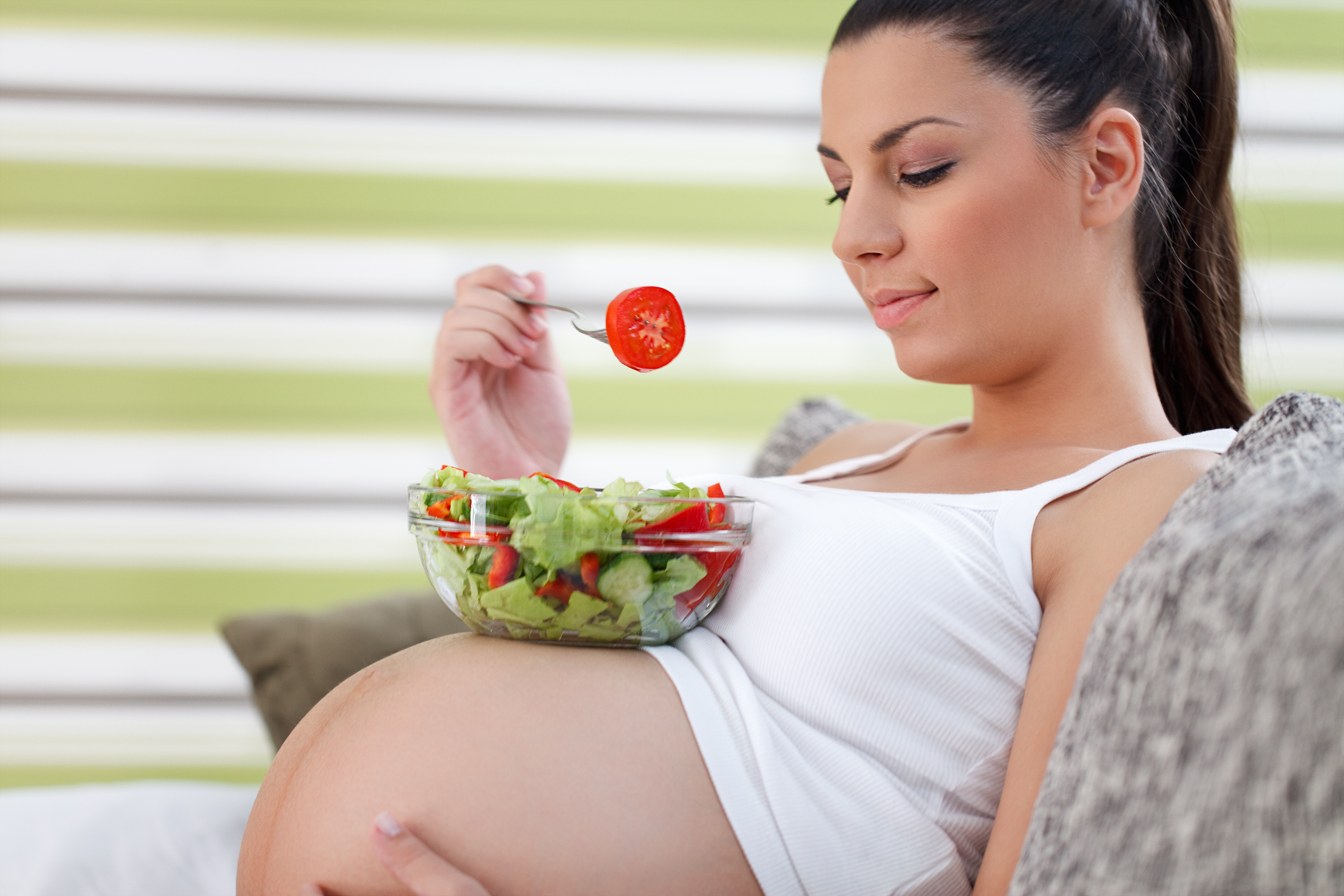
Healthy pregnancy eating saladSome women have been told that their baby is allergic to their milk, when 99% of the time they were actually allergic to the food mommy was eating while pregnant & breastfeeding, as opposed to the breast milk itself.  If a mommy removes the top allergens from her own diet, chances are, the baby will begin to tolerate her milk, colic will stop and eczema and rashes will likely disappear.  If not, it is important to have baby checked for inborn genetic errors.

If you have adopted your baby or have some other reason why breast milk is not available, please consider making homemade Coconut Milk Formula, instead of synthetic store bought formula. Please see my recipes page.

Bodhi holding mixed fruit

The most common allergies in babies are dairy, eggs, citrus, gluten, soy and nuts.  Allergies are common in babies who have parents or relatives with allergies, so if you or a close relative has food allergies, skin disorders, auto-immune diseases,  environmental or pet allergies, please observe your baby closely and do an elimination diet.

According to BabyCentre Medical Advisory Board and The Department of Health, although many people start feeding babies food at 4 months of age, the majority of baby’s digestive systems are immature and may not be ready for solid foods. Babies usually still lack digestive enzymes and early solid foods may actually induce allergies.  In addition, if they get food poisoning or a food born illness, their immune system may not be ready to handle it, especially if they are a preemie baby.

*Unless your baby has started losing weight and seems very very hungry after a good good milk feeding, then consider waiting until 6months before adding solid foods.  Age 6-8 months old may be a more appropriate time to start introducing foods, ONE FOOD AT A TIME- ONE WEEK AT A TIME!  It is essential that you don’t get too excited and give your baby another food, drink, oil, herb or spice, without truly observing him/her for a week.

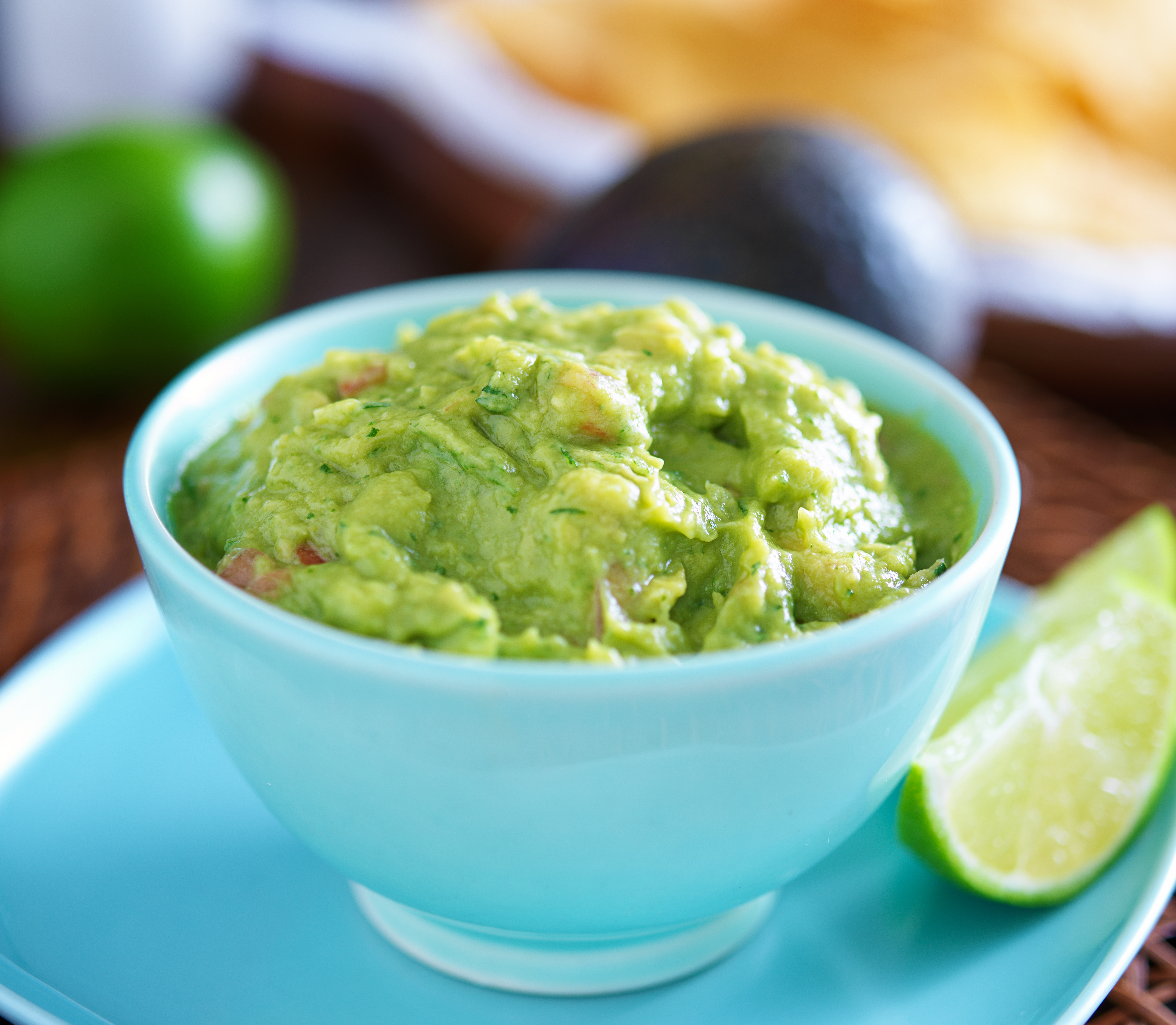
guacamole in colorful blue bowl with tortilla chips

A great Starter Food is Avocado. Avoacado is a complete protein and has a mild taste. Simply mash a tiny sliver of Avocado… Wait 3 days, Observe for the following symptoms:

  • rash, hives, diarrhea, pain, vomiting, hiccups, constipation
  • personality changes, drastic mood swings, colic
  • If no reaction, proceed with 2 more slivers of Avocado, wait 3 more days.

Do this ELIMINATION DIET WITH EVERY SINGLE FOOD AND DRINK YOU INTRODUCE TO YOUR INFANT or CHILD.  If you do this with every food and drink you give your child, then you will most likely save your baby the pain of being poked and you the heartache, time & money of having to go to the doctor and have his blood tested. This method increases the likelihood of you just figuring it out yourself.

Many Doctors & Allergist forget to tell you:

  • Allergies can present as a psychological/behavioral reaction
  • ADHD, Tantrums, Brain Fog, Psychosis, can be food related.
  • Some allergies do not appear for days
  • Skin Disorders like Eczema & Psoriasis are Food Allergies.
  • Many allergies do not show up on standard allergy testing.
  • Some allergies do not show up unless they are repeatedly eaten

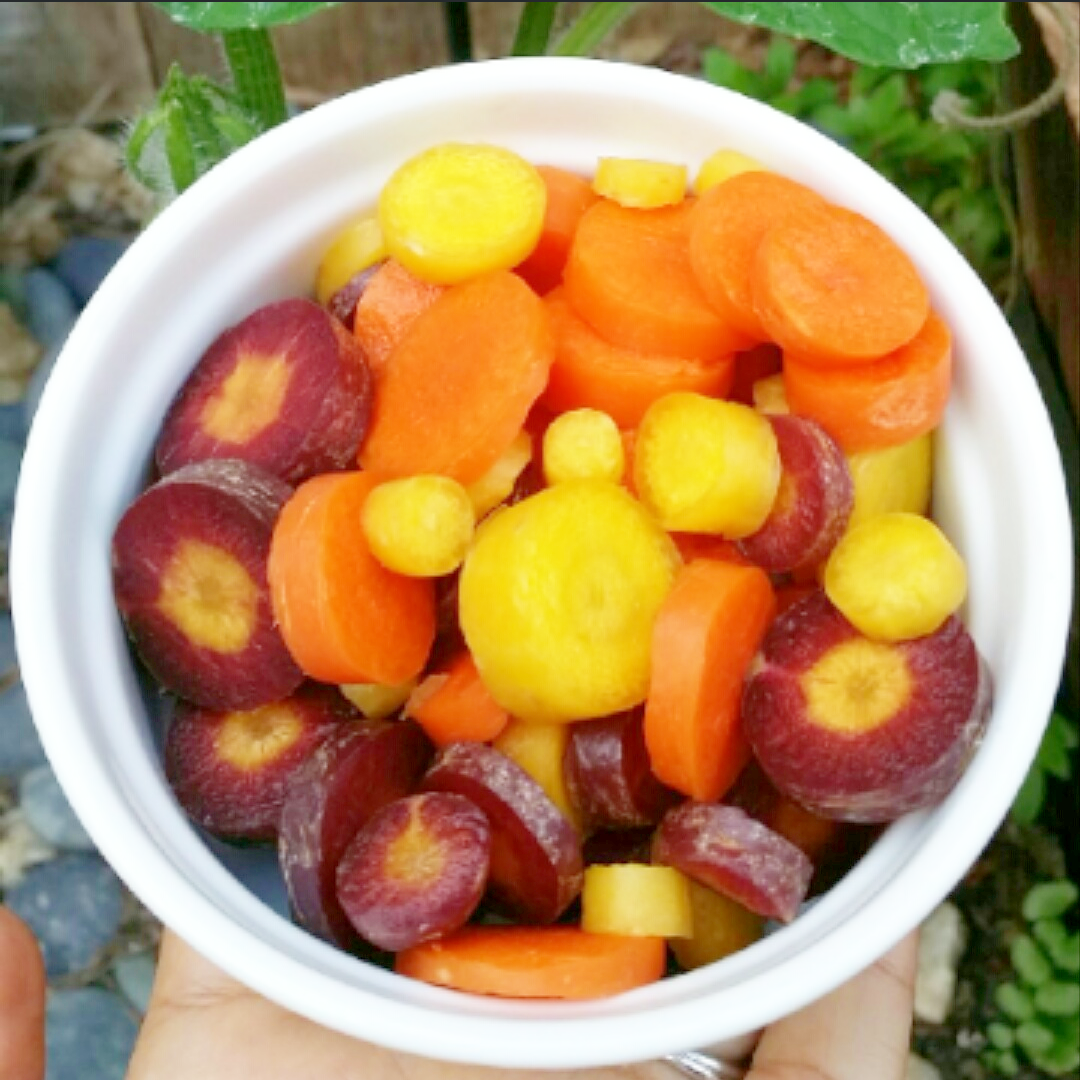
mixed whole carrots

According to a study by Aristo Vojdani, based on clinical presentation and antibody response, immune-mediated adverse reactions to foods can be divided into immediate and delayed hypersensitivity reactions.

Vojdani stated that immediate reactions to food antigens are IgE-mediated and dependent on activation of mast cells in specific tissues, including the skin, respiratory tract, gastrointestinal, mucosal, and cardiovascular system.  Vojdani concluded that the delayed immune reaction to food antigens are mediated by IgG, IgA and IgM. Unlike the immediate effects of IgE-mediated allergy, the IgG, IgM and IgA-mediated food allergy and intolerance reactions can take several days to appear.

Vojdani also reported that levels of IgG, IgM and IgA antibodies in the blood can be measured against different food antigens for demonstration of delayed food allergy and intolerance reactions.

If you suspect a child or anyone in your life has allergies, make sure you stand up and advocate for your right to have a complete allergy panel of the most accurate testing, such as, IgG, IgA, IgM, IgE and also DNA testing for Microdeletions and MTHFR polymorphisms that may impact what a person should eat.

Screenshot_2014-11-10-22-28-15-1

Mixed Carrots, Coconut Oil, Cinnamon

Why is Fresh Food Best? From a Nutritional & Whole Food Vitamin standpoint, store bought food, does not even begin to compare to real fresh food.

  • Harmful Ingredients banned in many countries are still used in the U.S.
  • Store Food has additives & preservatives not always listed on labels.
  • Organic Label does not always mean 100% Organic.
  • Synthetic ingredients allow Processed Food to sit on shelves for years.
  • Child may be allergic to additives & preservatives, not the actual food.
  • Nutrients are pretty dead by the time they are processed & put in a jar.
  • Baby kidneys & liver have a hard time metabolizing these preservatives.
  • Food processing includes thermal & non-thermal treatments,
  • Food Processing has a different effect on a Child’s Allergen Reactions.

Home-cooked meals and fresh Yummy Yummy Baby food has the real Phytonutrients your child’s brain and body requires and will thrive on!

  • If it’s impossible to prepare meals, please choose organic baby foods.
  • Organic store bought food still contains additives & preservatives!
  • Freeze a portion of family meals you cook in glass containers for baby.
  • Make sure to feed your baby & loved ones, every color of the rainbow.
  • Go easy on meat protein, there are many ways to give your baby protein.

Meat is only one source of Protein!  Remember, ounce for ounce and calorie for calorie, Broccoli and Kale provide more Protein than Porterhouse Steak!

I will be sharing more kid-friendly foods in the future, but here are a few simple Yummy Yummy Baby Recipes:

Screenshot_2014-11-10-13-50-01-1

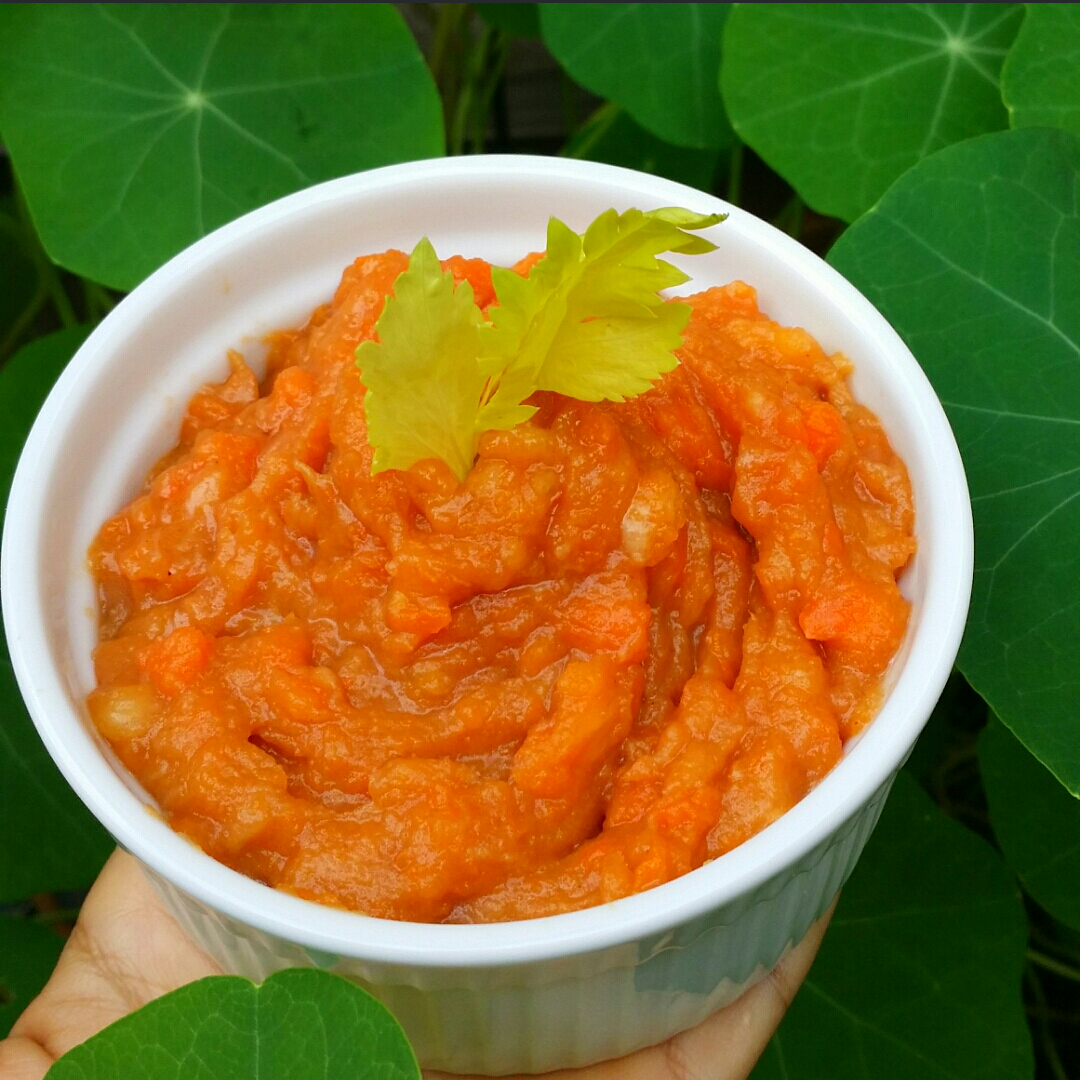
Sweet Potato Delight

Sweet Potatoes, Carrots, Bananas, Coconut Butter, Cinnamon!

  1. Cut & Slice veggies, Steam 8-12 minutes (medium heat)
  2. Mash Veggies & Bananas all together
  3. Mix with Coconut Butter or Coconut Oil
  4. Mix in a dash of Cinnamon
  5. Remember to TEST EACH FOOD INGREDIENT first, one at a time.
  6. Buy only Organic Ingredients for Baby Food

Screenshot_2014-11-10-22-22-01-1

Here is a toddler version she can eat with her fingers. Great thing is, you can make this as a side dish for your own meal!

IMG_20141022_064740

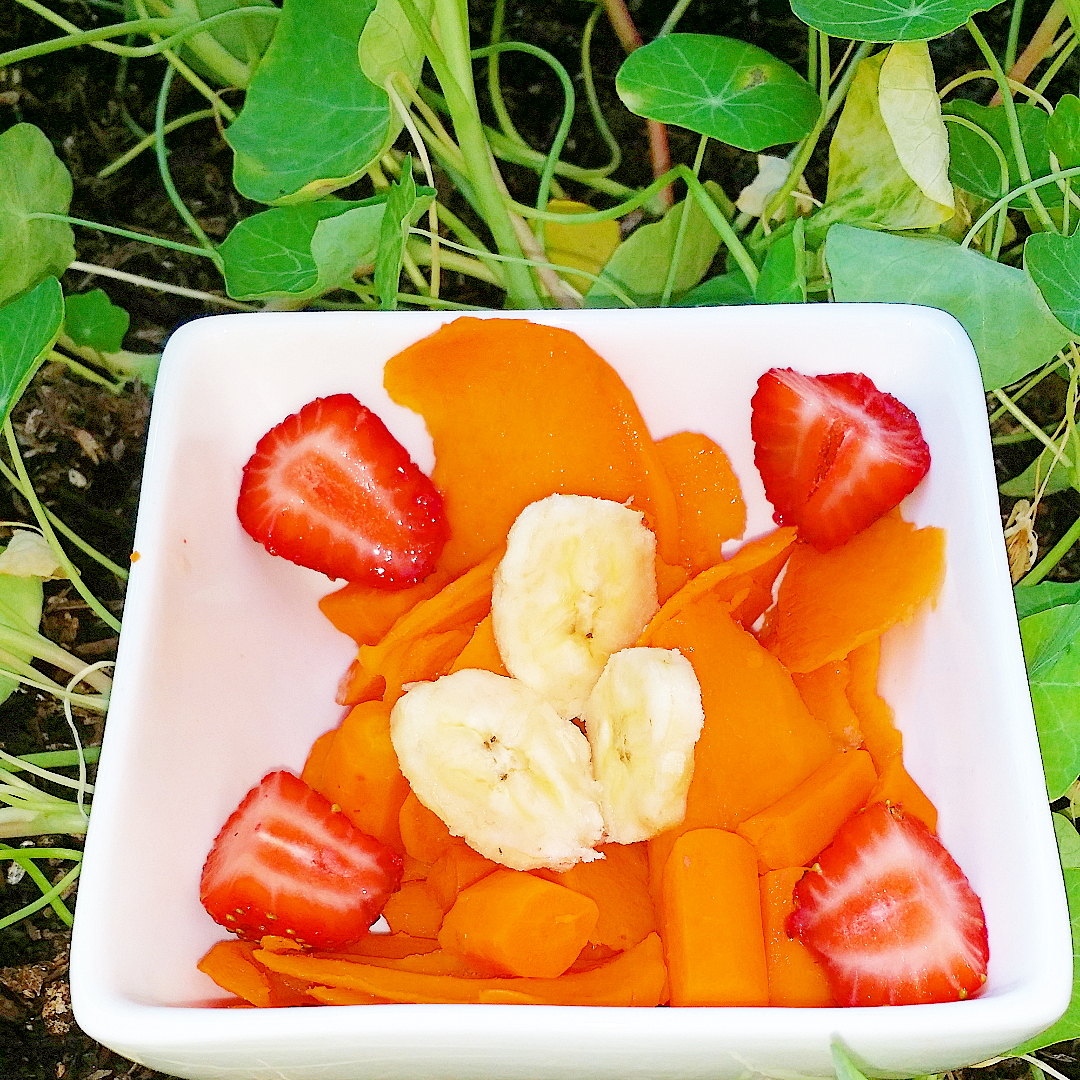
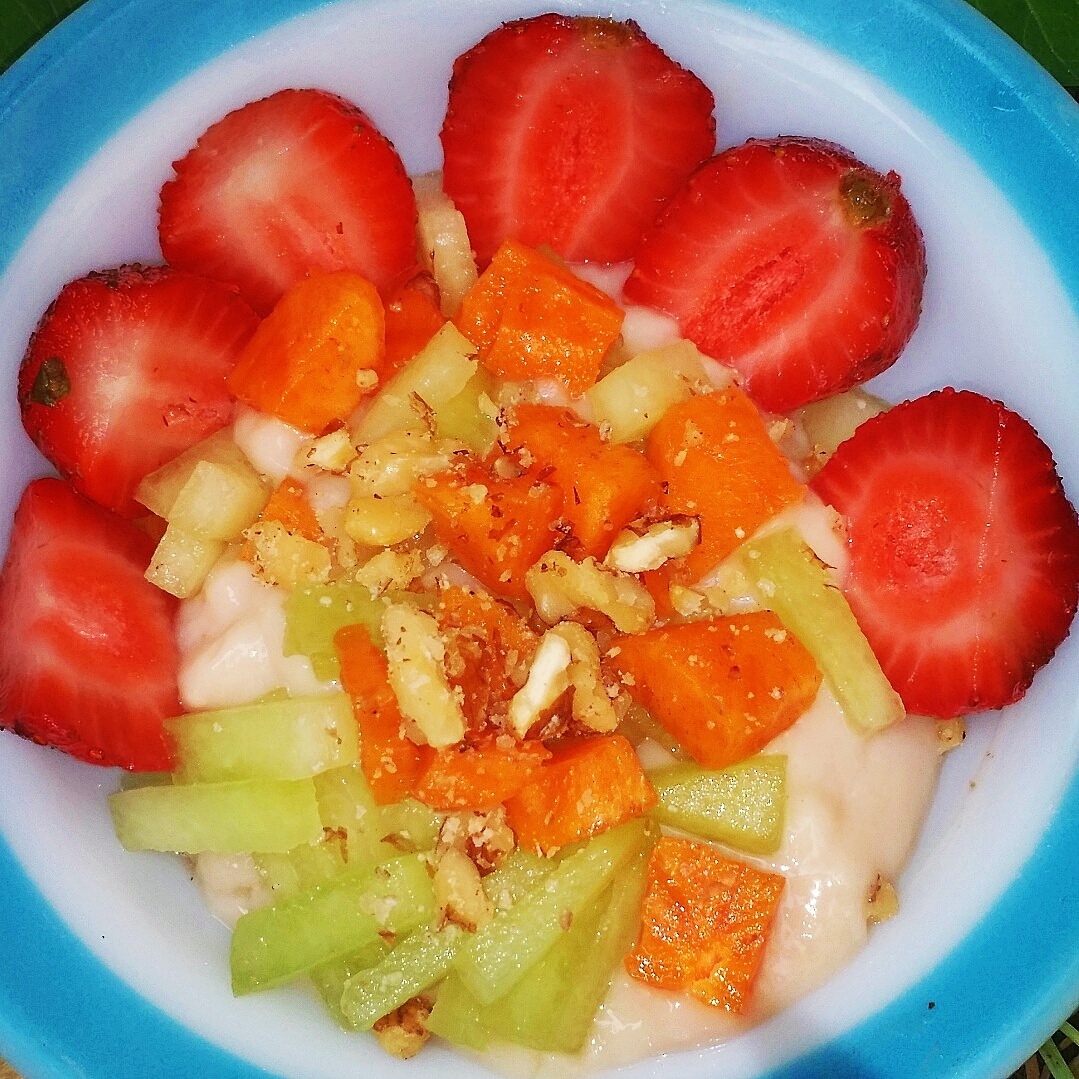
Strawberry Deelight

Yummy Yummy Baby Breakfast:

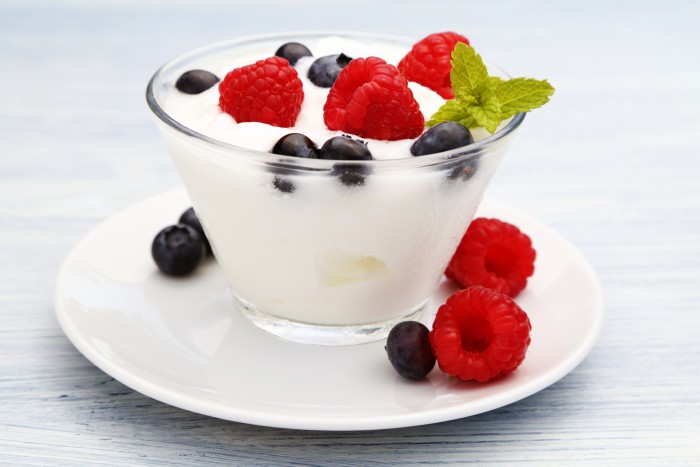
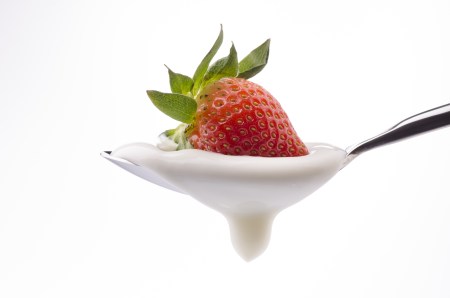
  1. Coconut Yogurt (Homemade or Store bought)
  2. Honey Dew Melon
  3. Strawberries
  4. Persimmon
  5. Sliced Walnuts (Wait one year)
  6. Sliced Bananas
  7. For an infant- Puree all together (except nuts)

Have fun, go very very slowly with each food and remember it takes only a couple of minutes to prepare.

You will spend more time & money taking care of a sick or allergenic child, so put the time in at the front end to prepare your baby a Real Fresh Organic Yummy Yummy Baby meal!

Stay Healthy & Happy ~ Dr. Dee


Edible Plants & Fruits that Help You Survive The Wild

Pocahontas had to learn how to collect wild edible plants along with planting and harvesting vegetable crops, in order to be considered an adult woman. As a result, she would need to identify the various kinds of useful plants, fruits and vegetables, and have the ability to recognize them in all seasons. Pocahontas learned these survival skills by age of 13.

Pocahontas also helped ease starvation and illness among Jamestown Colonists by teaching them how and what foods to eat. By my accounts, that makes Pocahontas America’s first Nutritionist.

guava and passion fruit

Passion Fruit, Persimmon, Guava, Horned Melon

If you were in the wild, would you know some of the edible wild plants and fruits?  Some of the foods Pocahontas ate are the Virginia peas, Corn, Pumpkins, Crooked neck Squash, Putchamins (Persimmon), Paw Paw fruit, and Gamma Rays (spider wort).

While on a hike in Kauai, I quickly learned that I was far from Pocahontas material and had to learn more about wild plants and survival foods. My hiking partner and I took a wrong turn, got lost and had to spend the night in the pouring rain in a remote area. We had no cell phone service, no rain gear and we quickly ran out of water. Fortunately, I was familiar with the wild Guava and had collected some for nourishment during our day hike.  It was an unforgettable adventure, but also a painfully cold and enlightening experience.

me in Kauai with guava

Wild Kauai Guava

Wild Guava in the Stream

Wild Guava in the Stream

Most of us are familiar with the Persimmon, Crooked neck squash, Pumpkins and Peas, so I’m sharing more information about some of the less known edible plants and fruits like the Spiderwort.

7e374759610ed66e6bc975beaf437d03

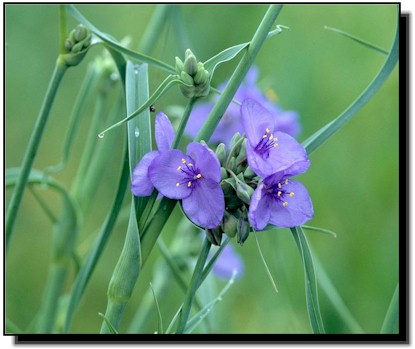
Spiderwort plants and flowers grow in clusters, with each individual bloom lasting only part of a day. All parts of many Spiderwort can be eaten- leaves, flowers, stalks and roots.The spiderwort (Tradescantia ohiensis) also has medicinal properties. The plant’s crushed leaves are purported to alleviate the sting of insect bites and when in tea form, it can be used for kidney and stomach pain, as a laxative and increasing breast milk.

OSpiderwort

Some other edible wild plants are Amaranth, Burdock, Cattail, Clovers, Nasturtium, Chickweed, Dandelion and Chicory. You will love this Nasturtium Blossom Salad. Nasturtiums can be used as an antibiotic for bronchitis, sore throat, flu, etc…

Nasturtium salad 2

The Paw Paw fruit is not very well known among the mainstream, but people have enjoyed the vast health benefits for at least 500 years.  The Paw Paw has a smooth, custard-like texture and a subtle but excellent strawberry-banana type flavor. The Paw Paw fruit is not only the largest fruit native to North America, it also brings with it a wide range of unbelievable health benefits and is called the “newly discovered superfood”, despite its long history of use. It has 70 times the Iron as many fruits, has high levels of antioxidants, 20 times the Magnesium of apples/bananas and more Vitamin C than Oranges.

health-benefits-of-pawpaw-tree-fruit

See more at: http://althealthworks.com/1134/the-health-benefits-of-paw-paw-vitamins-minerals-and-possible-anti-cancer-effects/#sthash.cfV6A54m.dpuf

Other fruits not well known to some North Americans are the Cactus Pear Fruit and the Horned Melon Fruit.  Cactus Pear Fruit or Prickly pear cactus, also called Nopales, is promoted for treating diabetes, high cholesterol, obesity and hangovers. It is also ued for its antiviral and anti-inflammatory properties and is popular in Latin America.  The edible parts of prickly pear cactus are the leaves, flowers, stems and fruit. Prickly pear cactus are found in all of the deserts of the American Southwest. Most prickly pears have large spines on their stems and vary in height.

cactus fruit bowl

Sliced Cactus Fruit

cactus fruit

Although I have heard so many stories about the prickly pear cactus fruit and it’s defense mechanisms to protect it’s fruit, I truly did not grasp how dangerous it is to collect this delicious fruit.  It was one of the most painful lessons I ever had to learn while hiking in Oracle, Arizona. Let me just say that pliers were used to remove the needles from my hand. If you are stranded and need to eat this, please take great care when collecting the cactus fruit… Yummy but Ouchy!

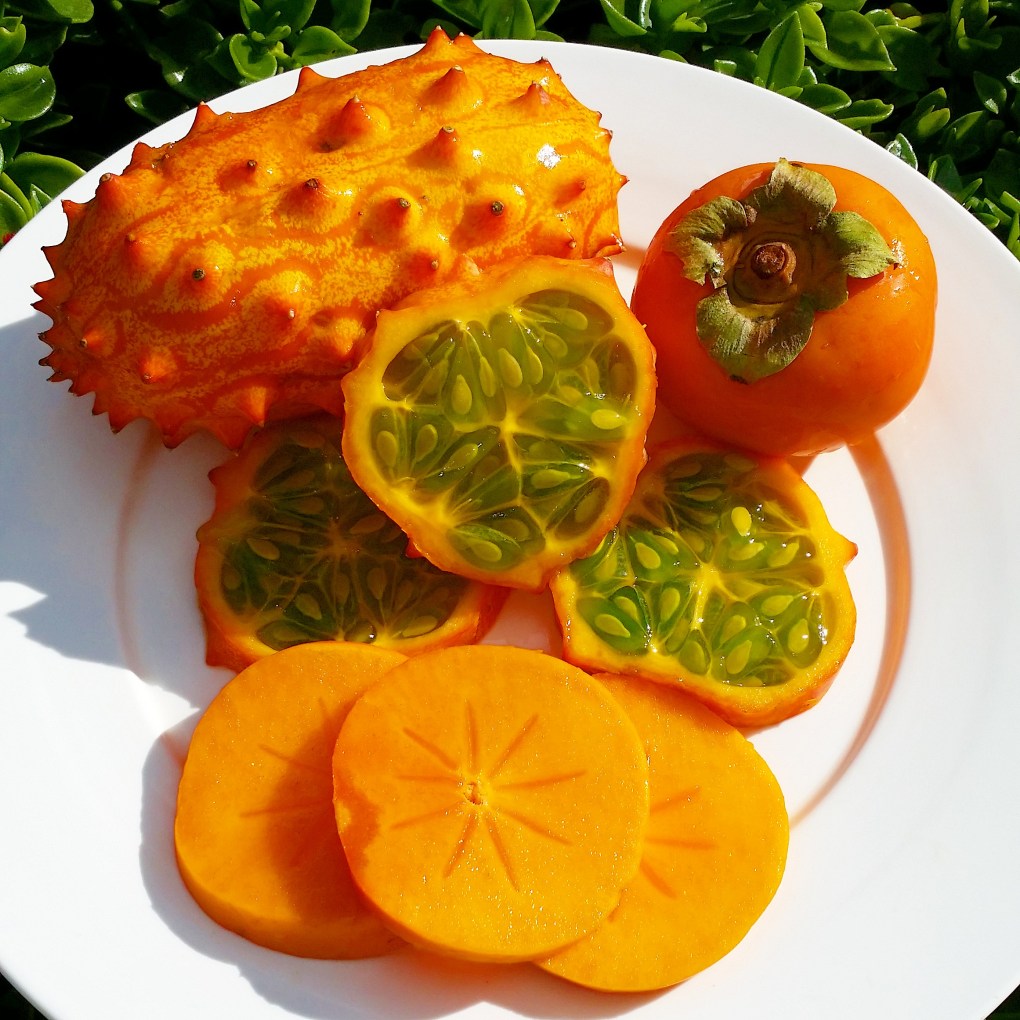
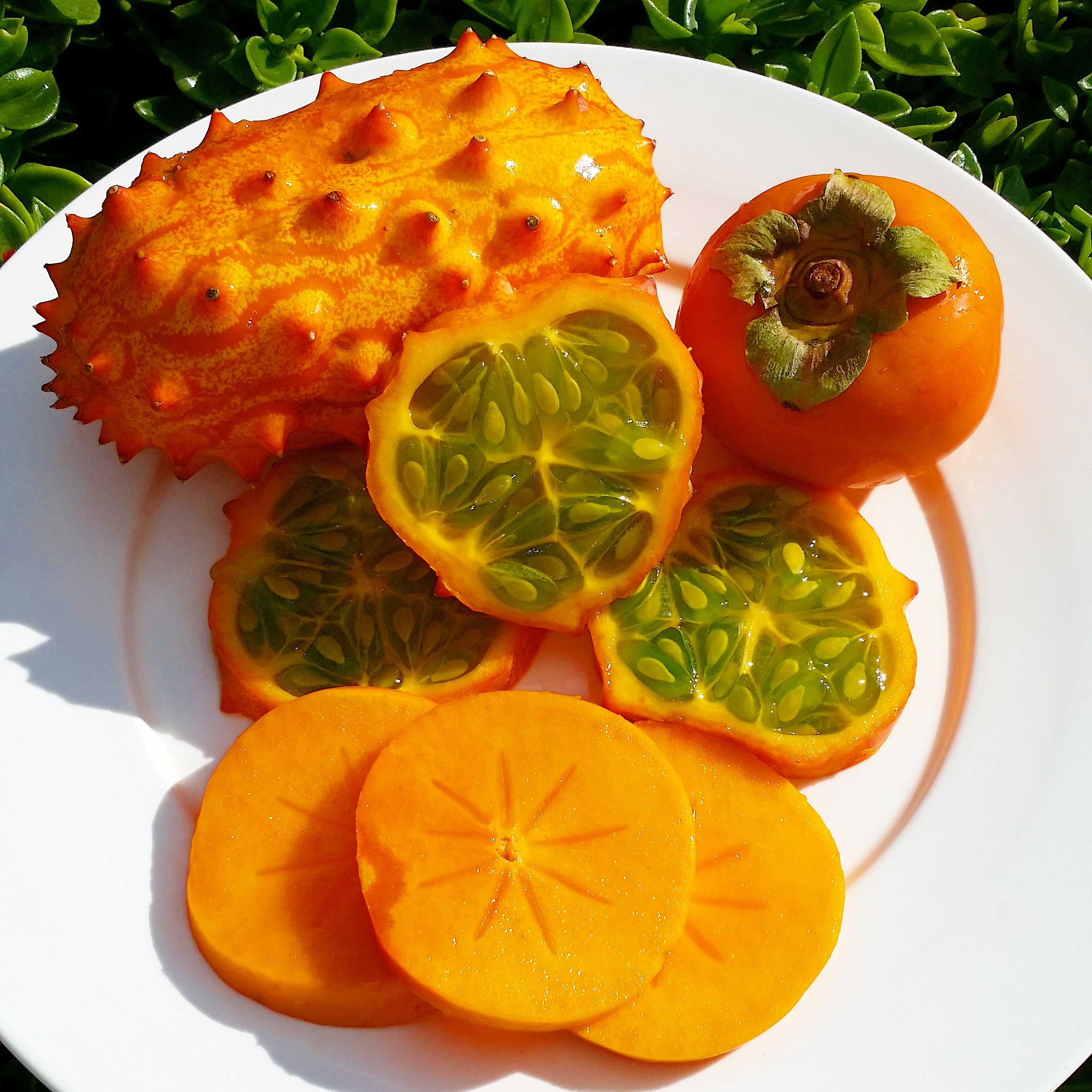
Persimmon & Horned Melon

Horned Melon & Persimmon

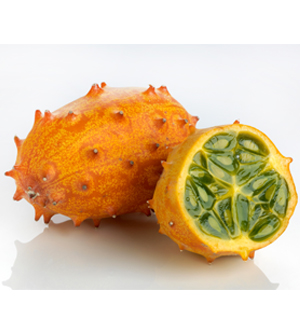
Native to the Kalahari Desert in Africa, the Kiwano is also known as the Horned Melon, the melano, the African horned cucumber, the jelly melon, and hedged gourd.  When ripe, the fruit tastes like a mix of cucumbers, kiwis, honey dew and bananas.  During the dry season, the Horned Melon is the only source of water in the African desert and may help save your life. The horned melon is really an unusual looking fruit. It has a nearly ancient physical appearance and is now grown in Australia and New Zealand.  This melon contains high levels of Vitamin A and organic types of vitamin E tocopherols.

Health-benefits-of-horned-melon

There are so many fruits and wild plants to share, but I will share one more called the Loquat.

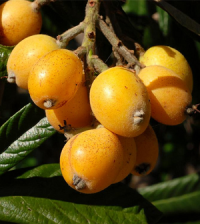
There was a massive gas line leak in our neighborhood and my toddler and I had seconds to unexpectedly evacuate. It was 107 degrees outside and my husband was stuck in traffic rushing to get home to us.  We wandered to a local neighborhood exploring and made the best of our situation.  We discovered a tree with a succulent, tangy and yummy fruit called Loquat.

Loquat fruit is rich in vitamins, minerals, and anti-oxidants.  This unique fruit originated in the wild mountainous, evergreen rain forests of Southeastern China, but has now spread all across the world, including Japan.

Health-benefits-of-Loquat-200x224

If you can not clearly identify a plant and you are unsure about whether it is poisonous, it is best you don’t eat it.  Some common toxic plant signs are: three leaved growth pattern, grain heads with pink, purplish or black spurs, almond scent in the woody parts and leaves, bitter or soapy tasting plants, beans, bulbs or seeds inside pods, spines or thorns, milky or discolored sap. (Brett & Kate McKay, surviving in the Wild).

Desiree PocahontasI hope this article has inspired you to get to know the terrain you plan to explore or the terrain local to you in case of an emergency.  If you are already well versed in the area of wild plants and fruits, maybe there are children, a community or people you can be a Pocahontas for!

*This picture is used to embrace my Native American Heritage.

Stay healthy & happy, ~Dr. Dee